
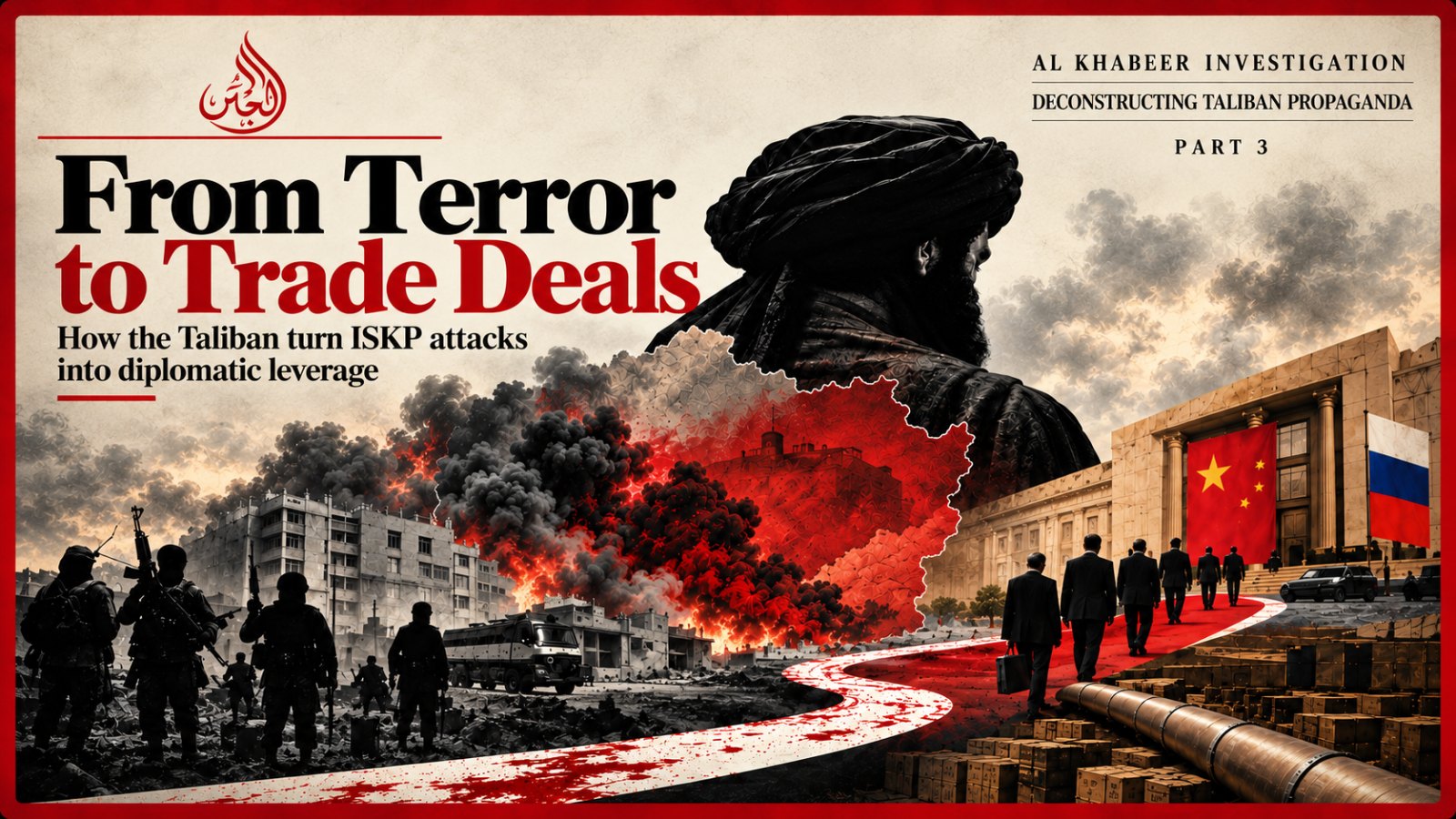
From Terror to Trade Deals: How the Taliban Turn ISKP Attacks into Diplomatic Leverage
ISKP attacks struck foreign interests in Kabul. Trade deals followed. How the Taliban turned persistent insecurity into diplomatic leverage.
ISKP attacks struck foreign interests in Kabul. Trade deals followed. How the Taliban turned persistent insecurity into diplomatic leverage.
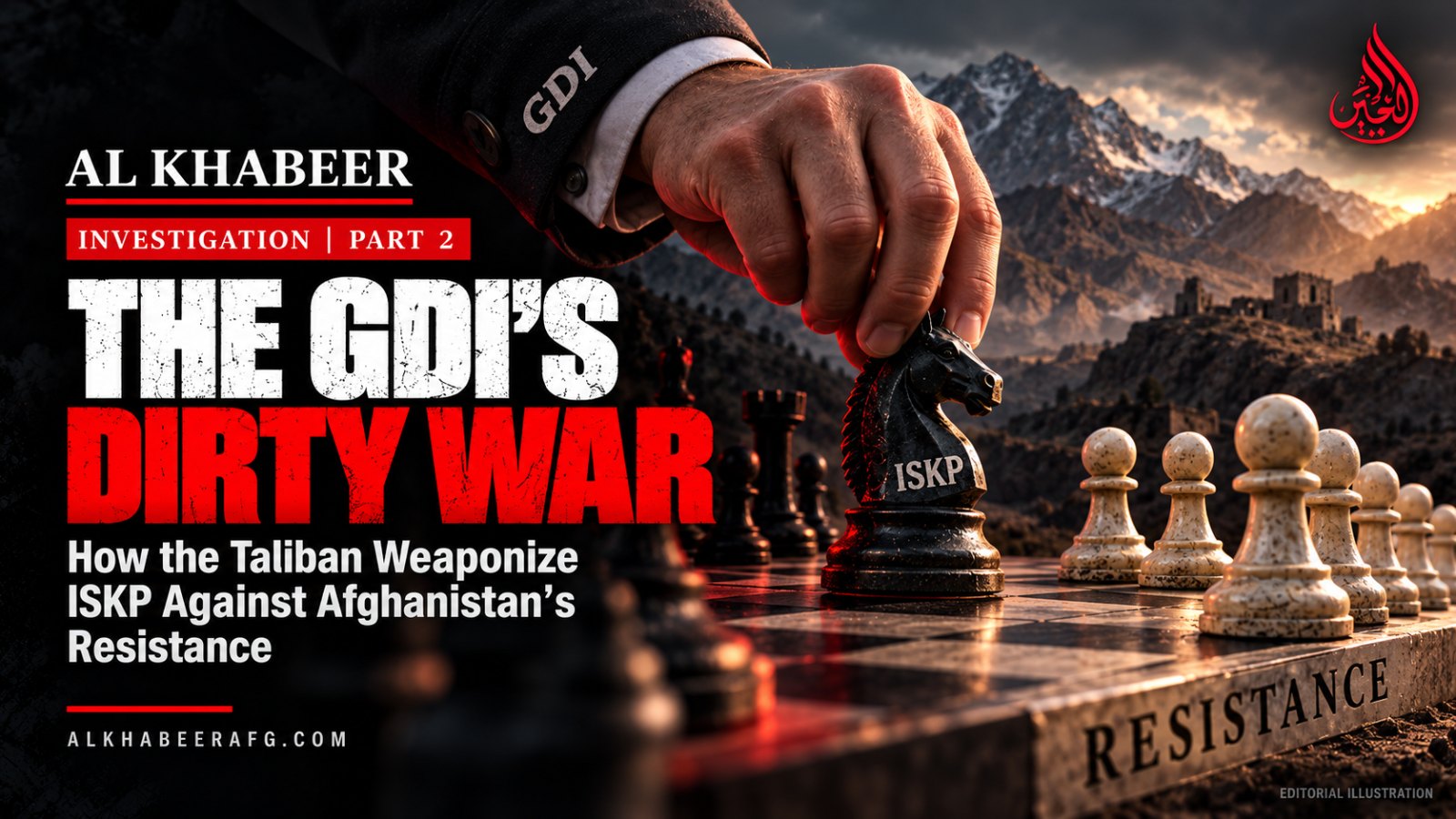
An investigation examines that the Taliban’s GDI used ISKP attacks and delayed claims to frame Afghanistan’s resistance.
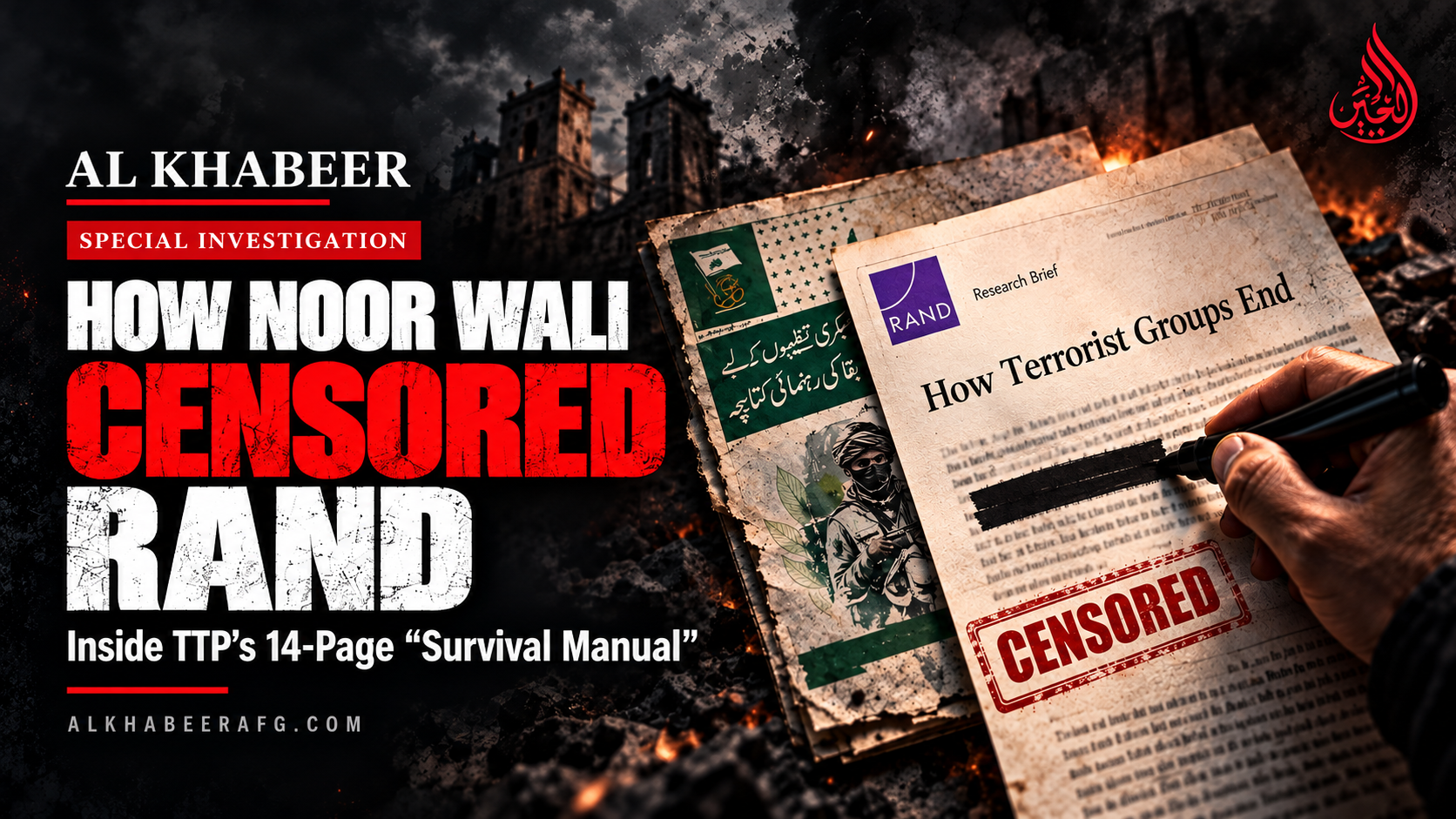
Inside Mufti Noor Wali Mehsud’s 14-page “survival manual” — and the RAND finding it leaves out.
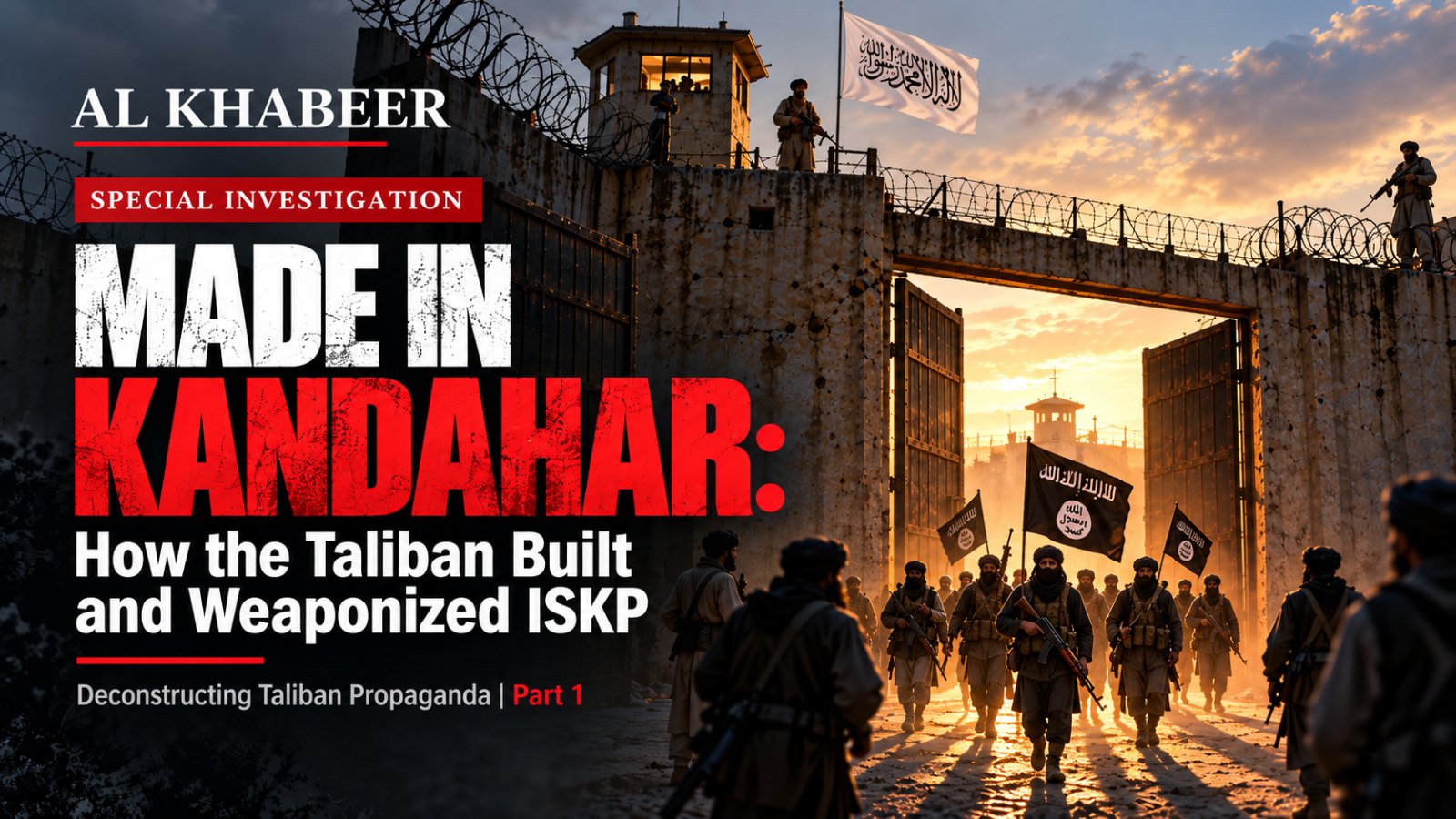
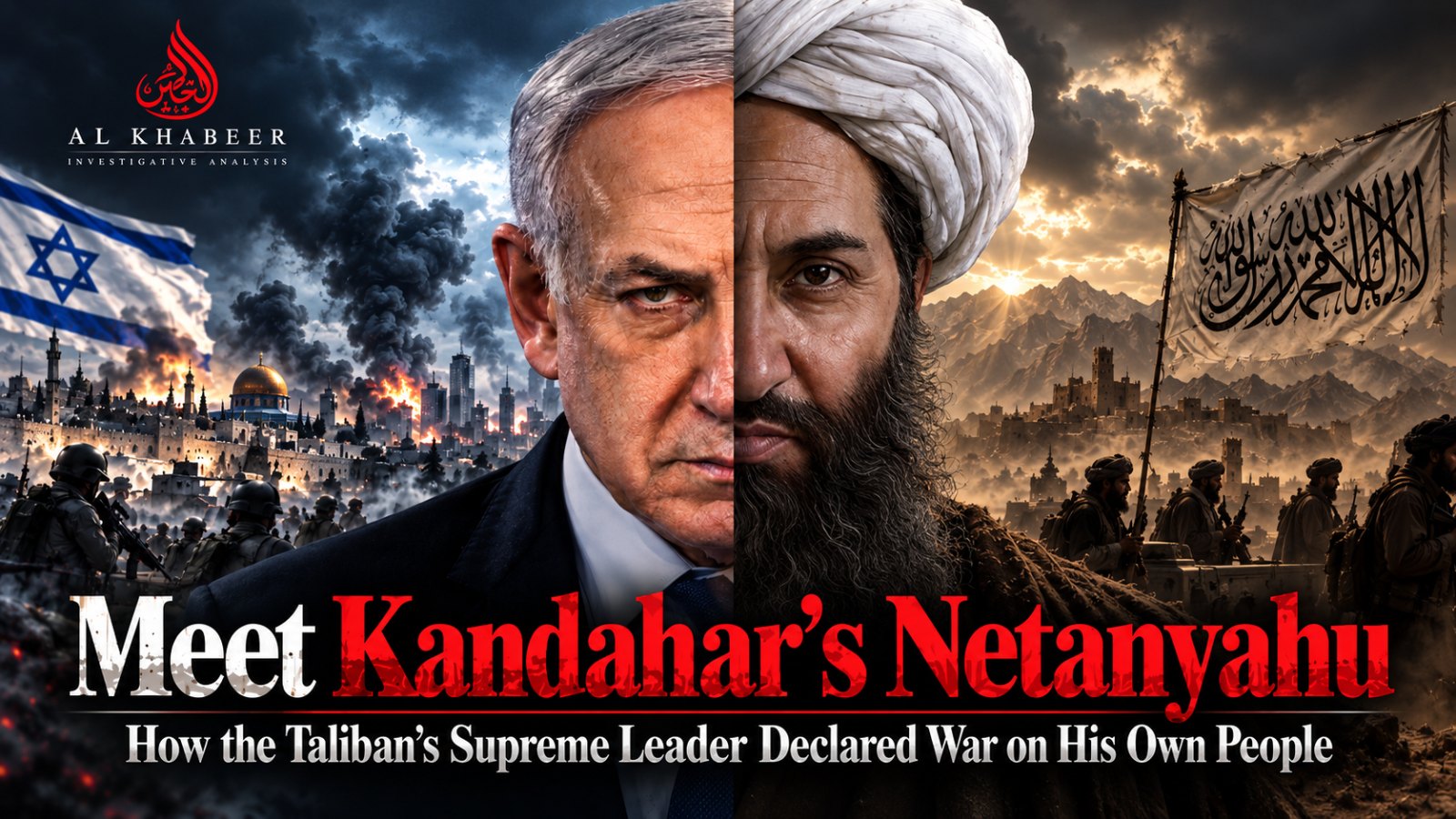
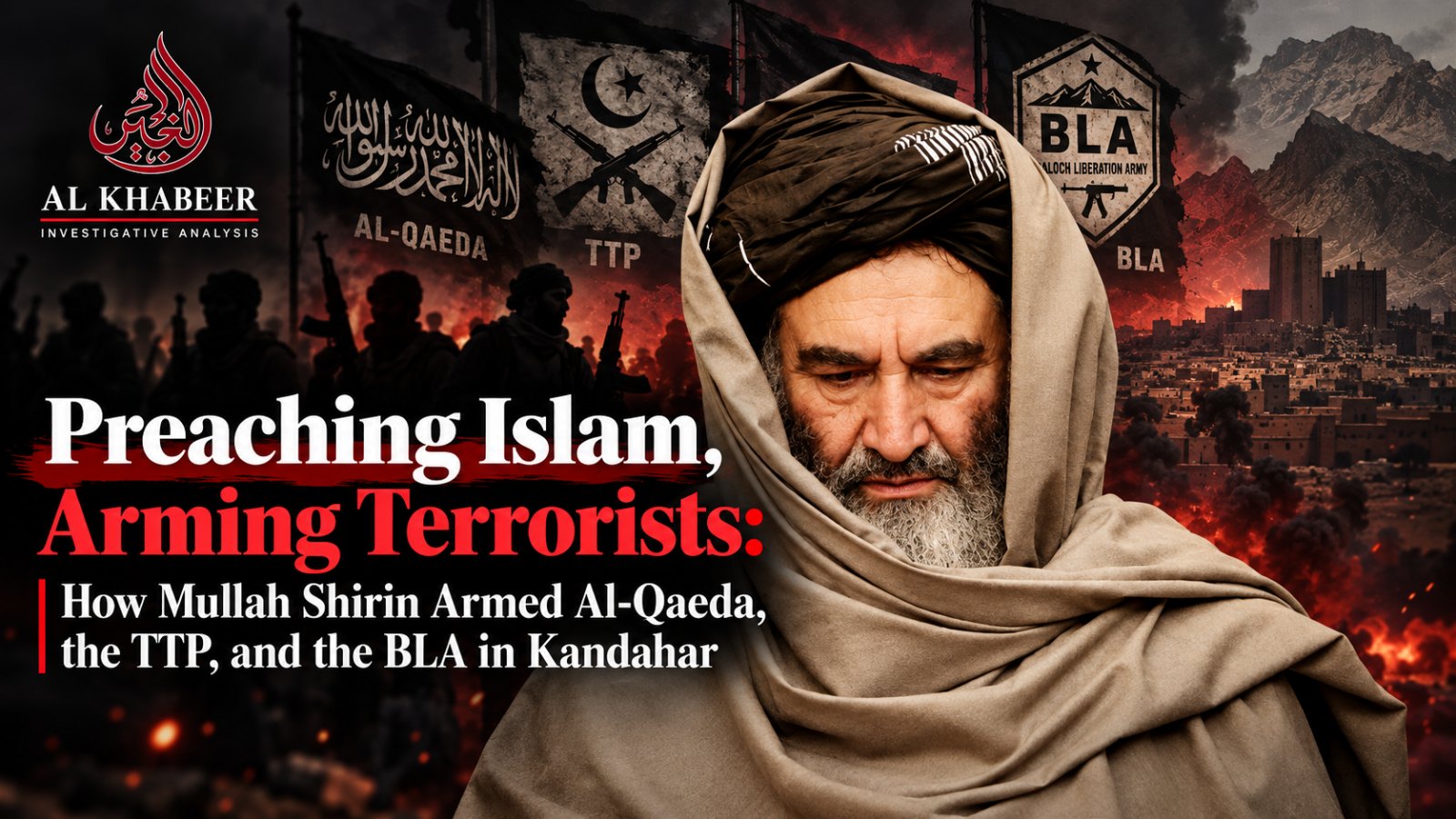
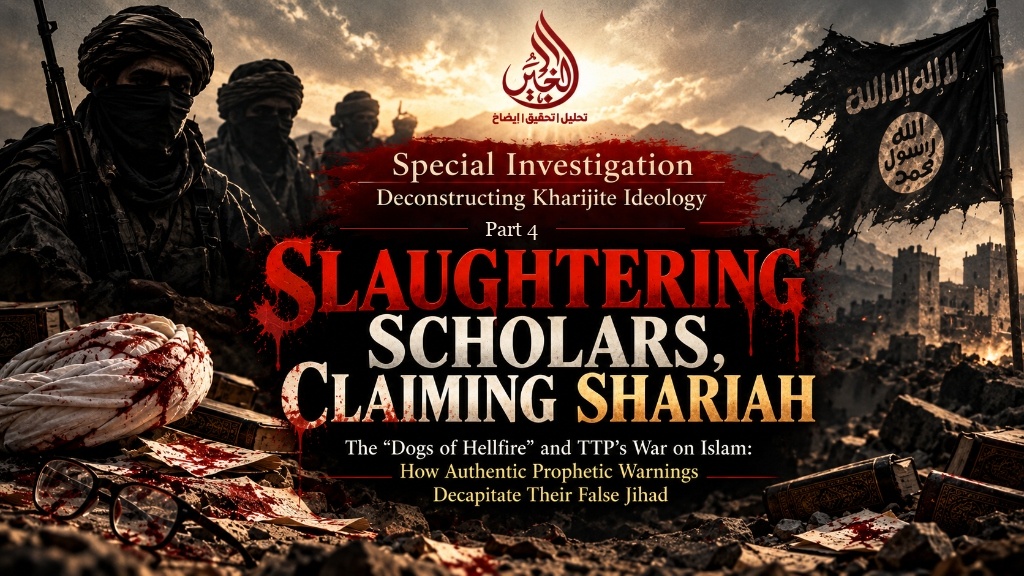
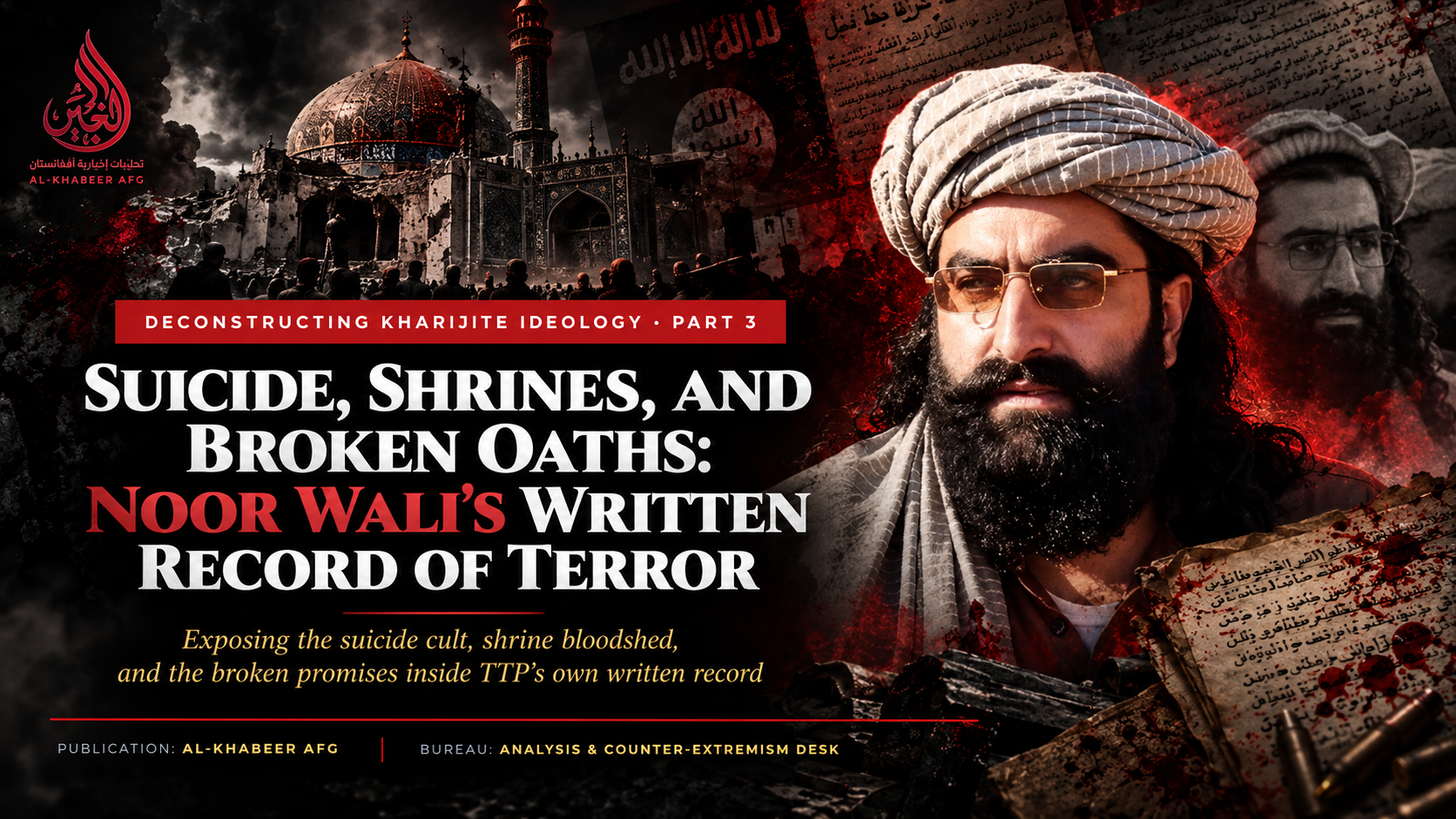
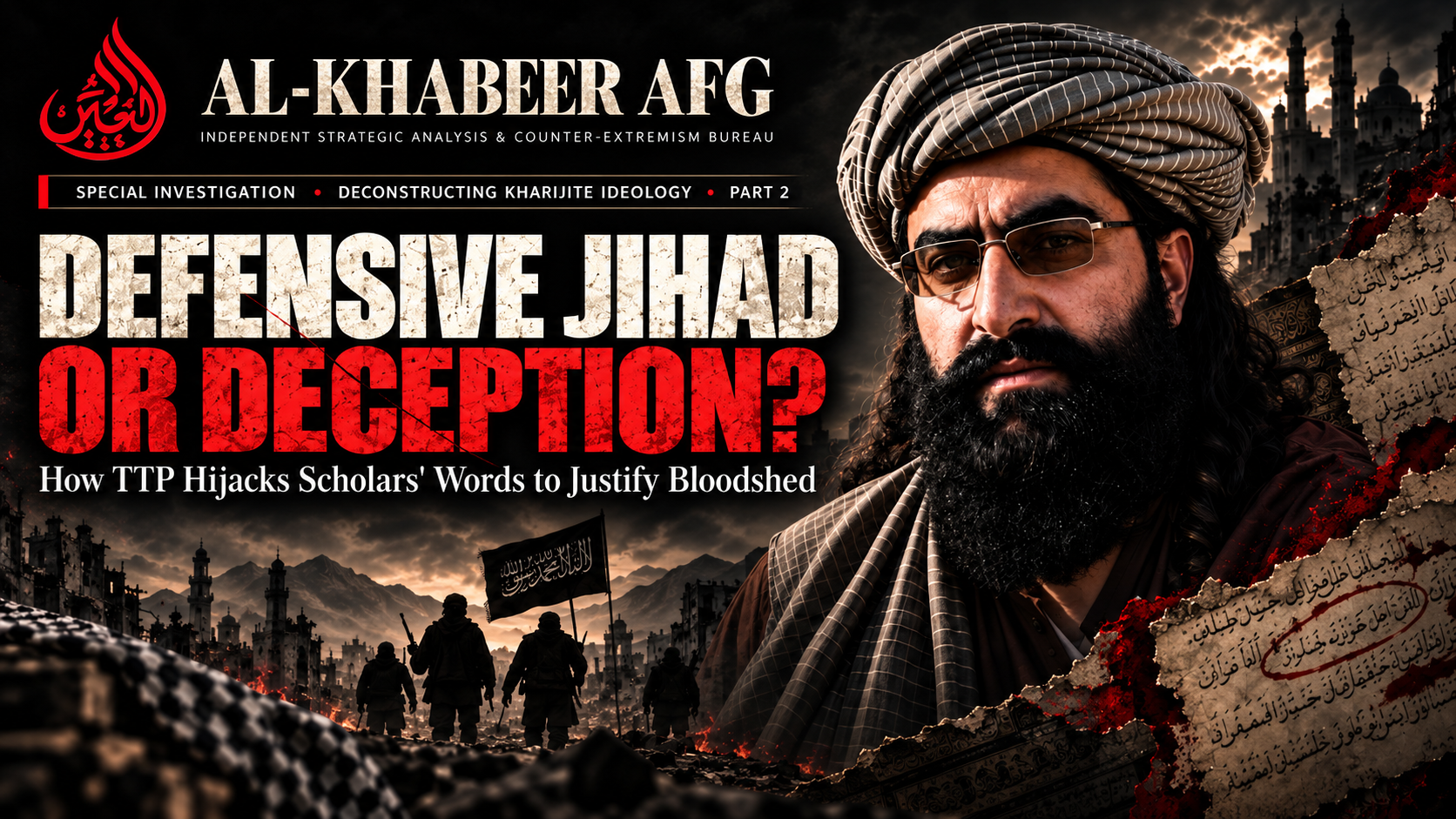
Dead scholars cannot sign fatwas, living jurists brand them rebels, and their own Amir boasts of bedroom assassination.
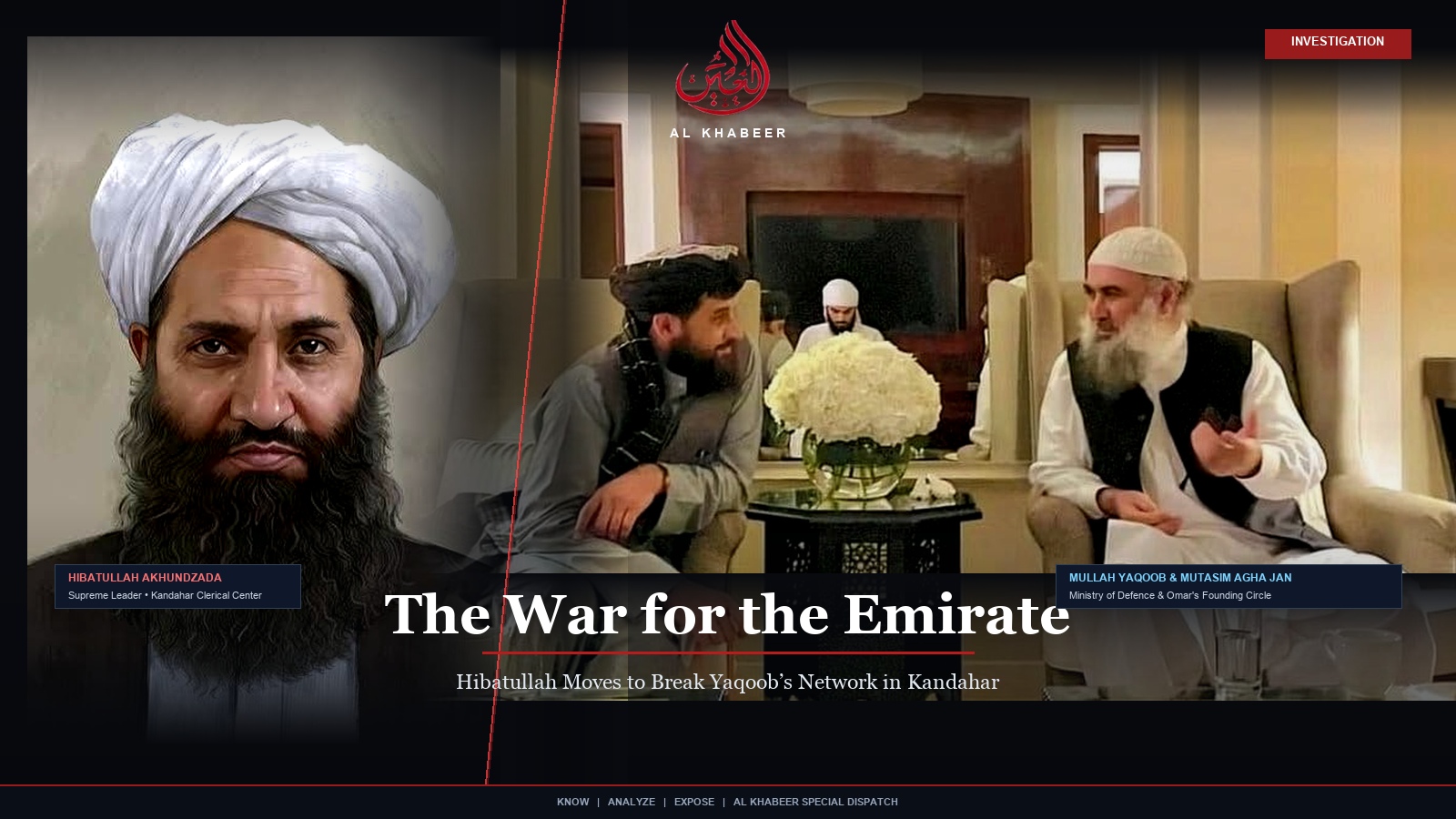
Mutasim Agha Jan’s arrest signals Kandahar’s effort to dismantle Yaqoob’s succession network and tighten Hibatullah’s grip on the Emirate.
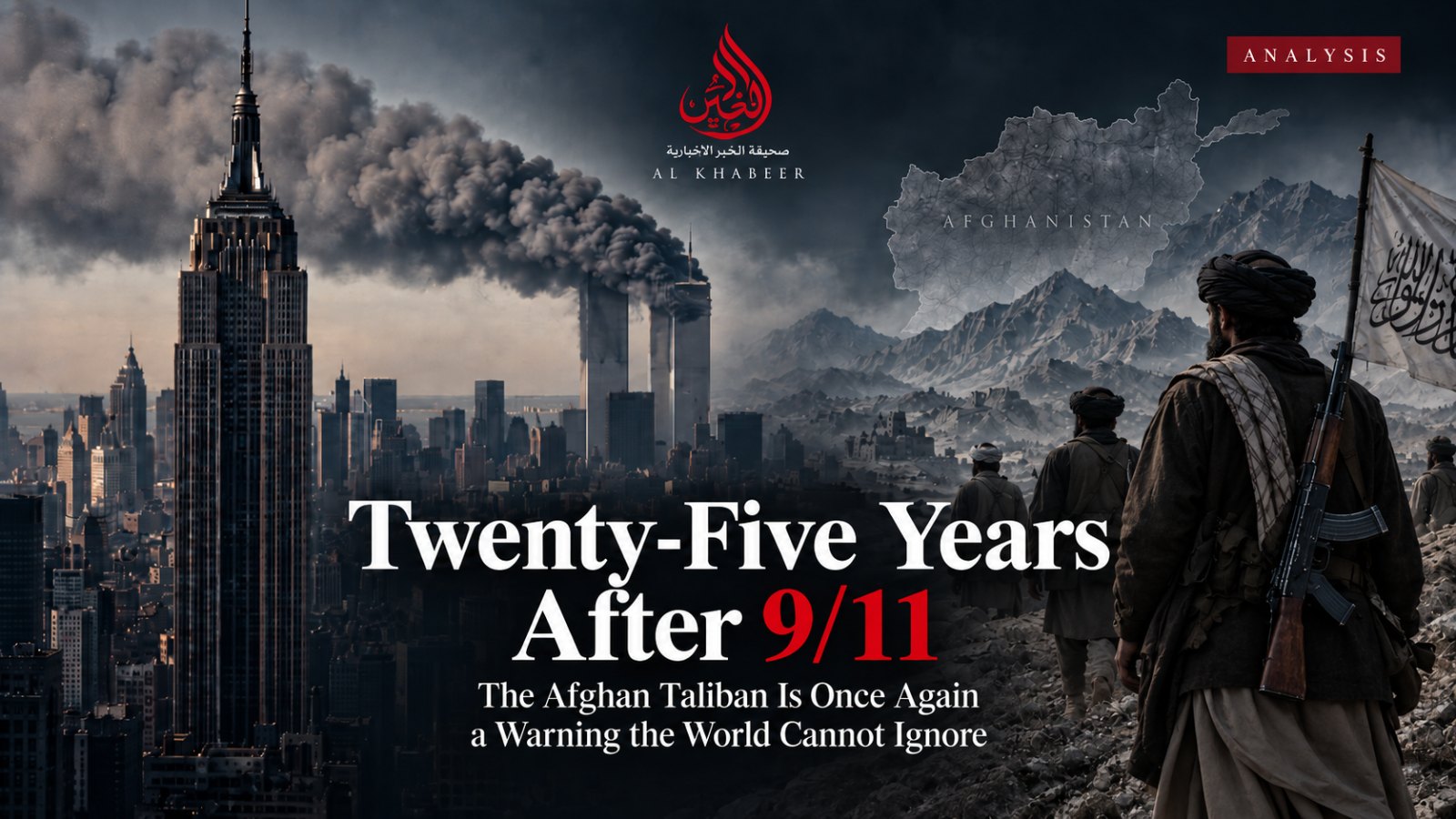
Twenty-five years after 9/11, Afghanistan under the Taliban is again providing space and protection to terrorist networks, raising a warning the world cannot afford to ignore.
An investigation examines that the Taliban’s GDI used ISKP attacks and delayed claims to frame Afghanistan’s resistance.
ICC warrants put Haibatullah and Taliban rule under scrutiny over persecution of Afghan women, restrictions, punishments and wider rights abuses.
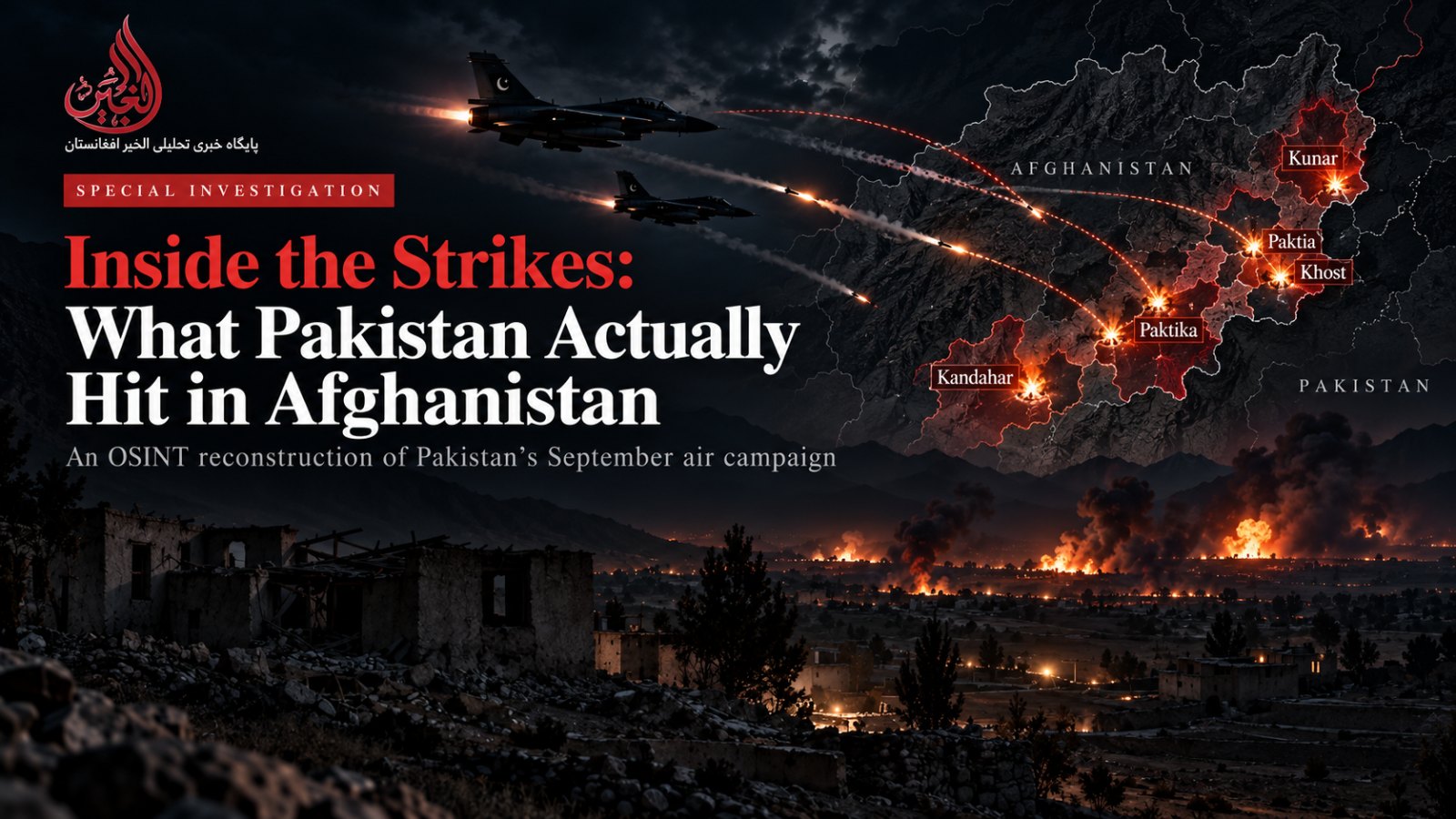
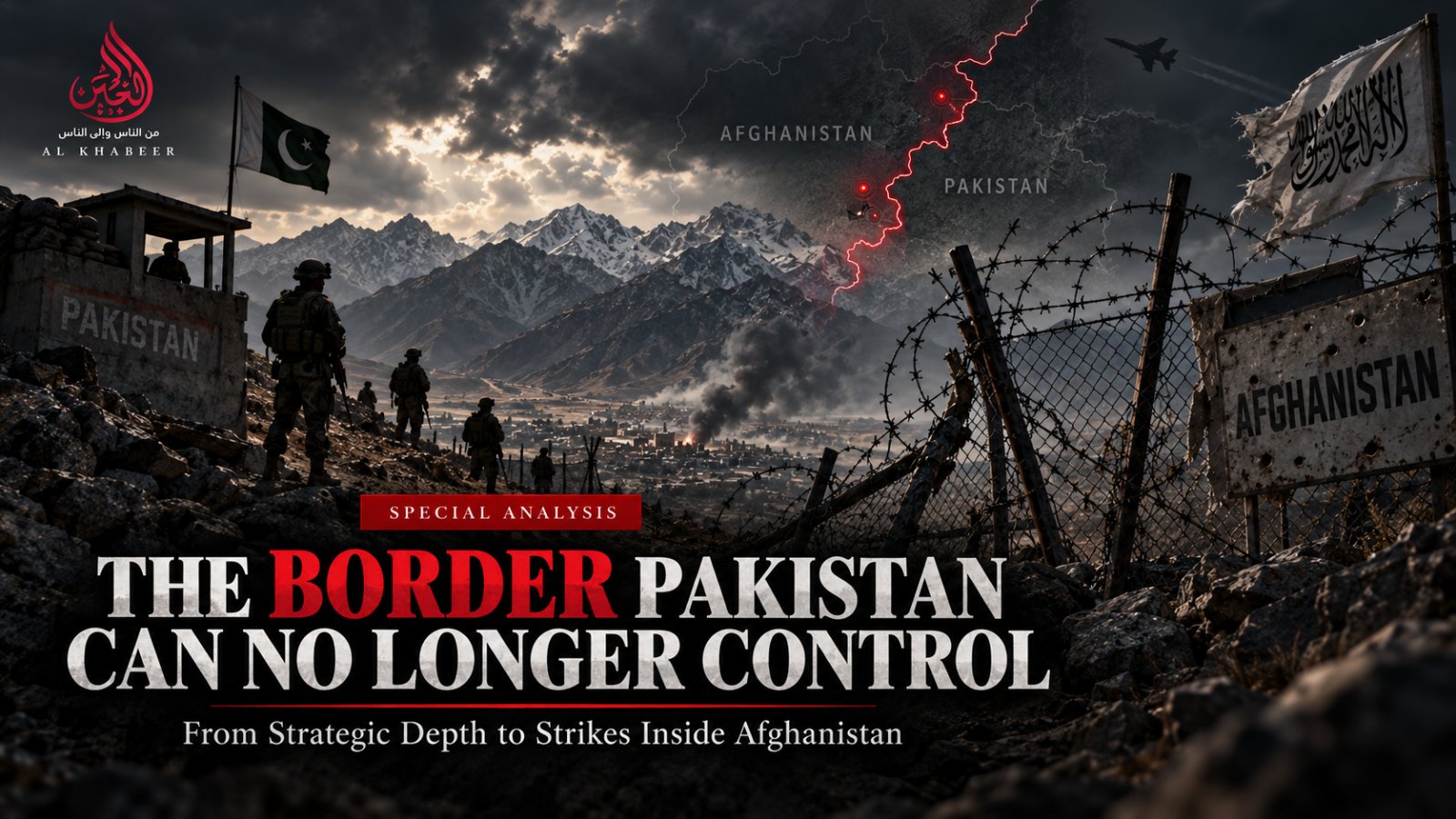
Pakistan’s decades-long pursuit of strategic depth in Afghanistan has ended in border insecurity, TTP violence and repeated strikes inside Afghanistan.