Inside the Strikes: What Pakistan Actually Hit in Afghanistan
An OSINT reconstruction of Pakistan’s 21 and 24 September air campaign across Kunar, Paktika, Kandahar, Paktia and Khost.
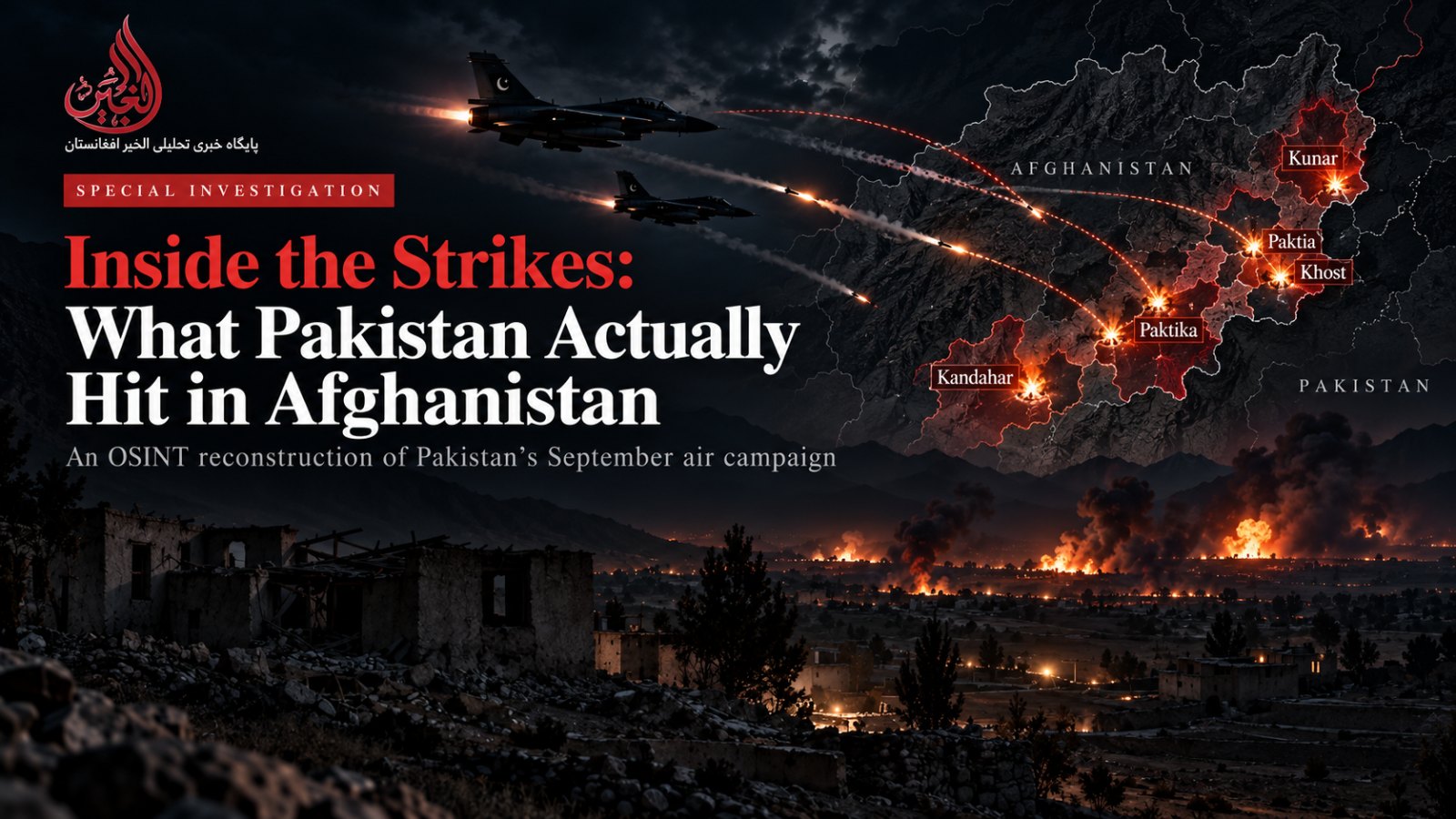
An OSINT reconstruction of Pakistan’s 21 and 24 September air campaign across Kunar, Paktika, Kandahar, Paktia and Khost.
Two pre-dawn strike windows. Five Afghan provinces. A campaign that moved in less than forty-eight hours from remote border districts to Kandahar, Gardez and Khost.
Pakistan presented the strikes as a calibrated response to cross-border threats. In the first wave, Islamabad said its aircraft had hit militant infrastructure and killed 28 militants. After a further escalation on 24 September, Pakistan said a second wave struck 10 locations in Afghanistan that had been used to launch or store drones directed at Pakistan.
Al Khabeer examined the campaign as a physical event rather than a contest of official statements. The working audit cross-referenced satellite imagery, local audiovisual material, hospital and casualty reporting, site geometry and public-source reporting. The purpose was simple: reconstruct where the munitions landed, what was damaged, who was harmed, and what the geographic pattern means.
The exact coordinates remain in the accompanying forensic graphics. In the narrative, the emphasis is on the evidence and its significance. The Campaign in 48 Hours
The first wave, around 03:00 on 21 September, focused on Nurgal district in Kunar and Barmal district in Paktika. The second wave, around 03:30 on 24 September, widened dramatically: Kandahar City, the 203rd Mansouri Corps garrison in Gardez, and three sectors in Khost were all brought into the strike picture.
Al Khabeer’s working flight reconstruction indicates high-altitude ingress along the frontier and the use of stand-off precision munitions, with unmanned aircraft involved in reconnaissance and battle-damage assessment. The draft assessment identifies JF-17 Block III and F-16 aircraft, operating from Pakistani airbases, as likely participants. Those platform and launch-base identifications remain OSINT assessments rather than official confirmations.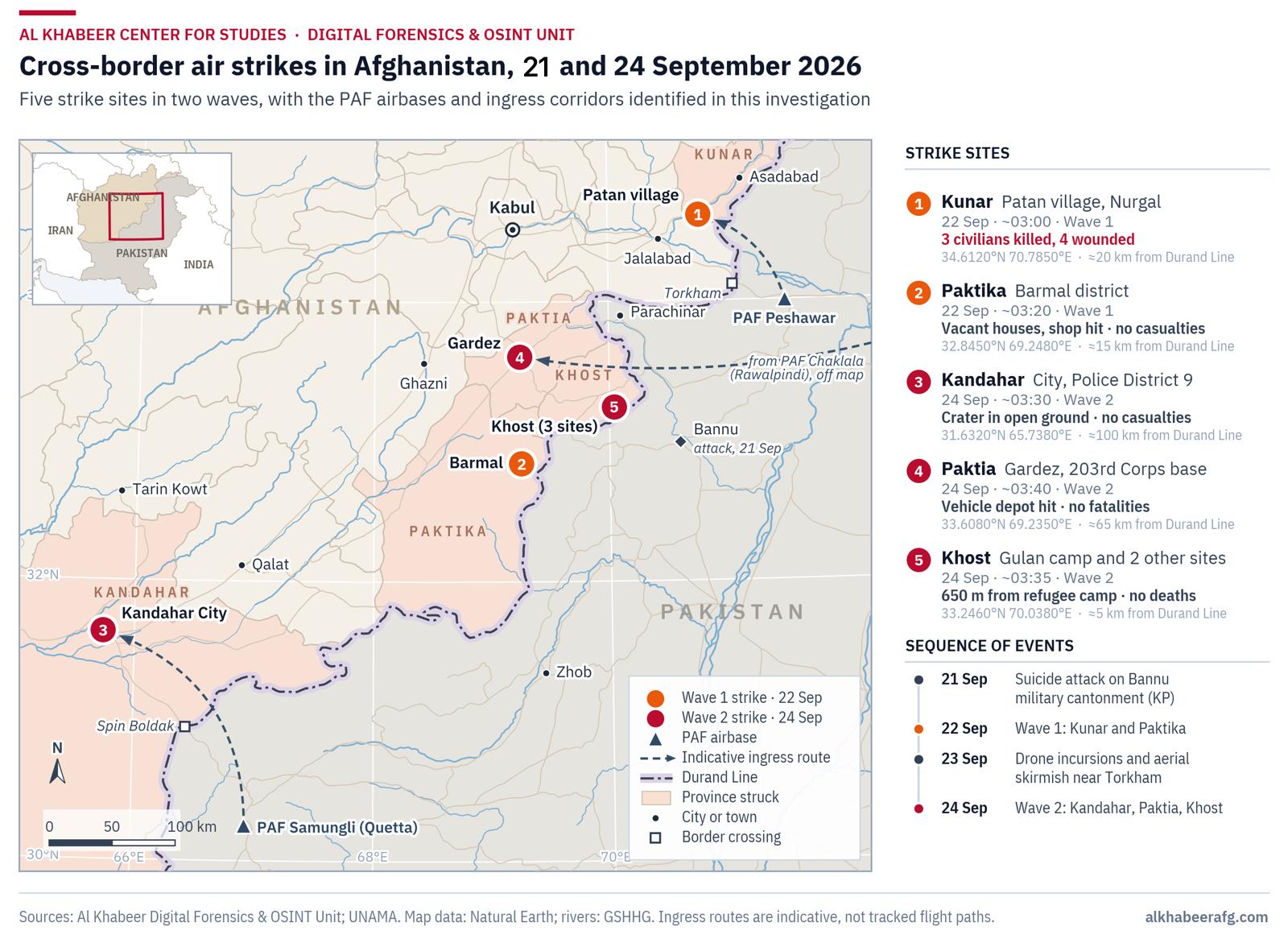 Figure 1: Master Theatre Strike Map
Kunar: The Civilian Cost
The clearest human consequence of the first wave was in Patan village, Nurgal district. At approximately 03:00, a munition struck the residential compound of Noor Ahmad. The blast tore through a traditional mud-brick and timber structure, collapsed the sleeping area and left a deep crater inside the compound.
Al Khabeer’s reconstruction identifies Noor Ahmad, 38, his wife, 32, and their seven-year-old daughter as the three people killed. Four relatives in an adjacent room — two boys aged 11 and 4, their 65-year-old grandmother and a 28-year-old brother — were wounded. Public reporting also confirmed three civilian deaths and four injuries in the Kunar strikes.
The site review found no visible evidence in the material examined of a weapons cache or an active militant position inside the compound. That does not by itself establish what intelligence informed the strike, but it places the civilian harm at the center of any assessment of the operation.
In Barmal district, Paktika, the simultaneous strikes produced a different result. The original investigation records two vacant mud houses and a roadside provisions shop as damaged, with no human casualties.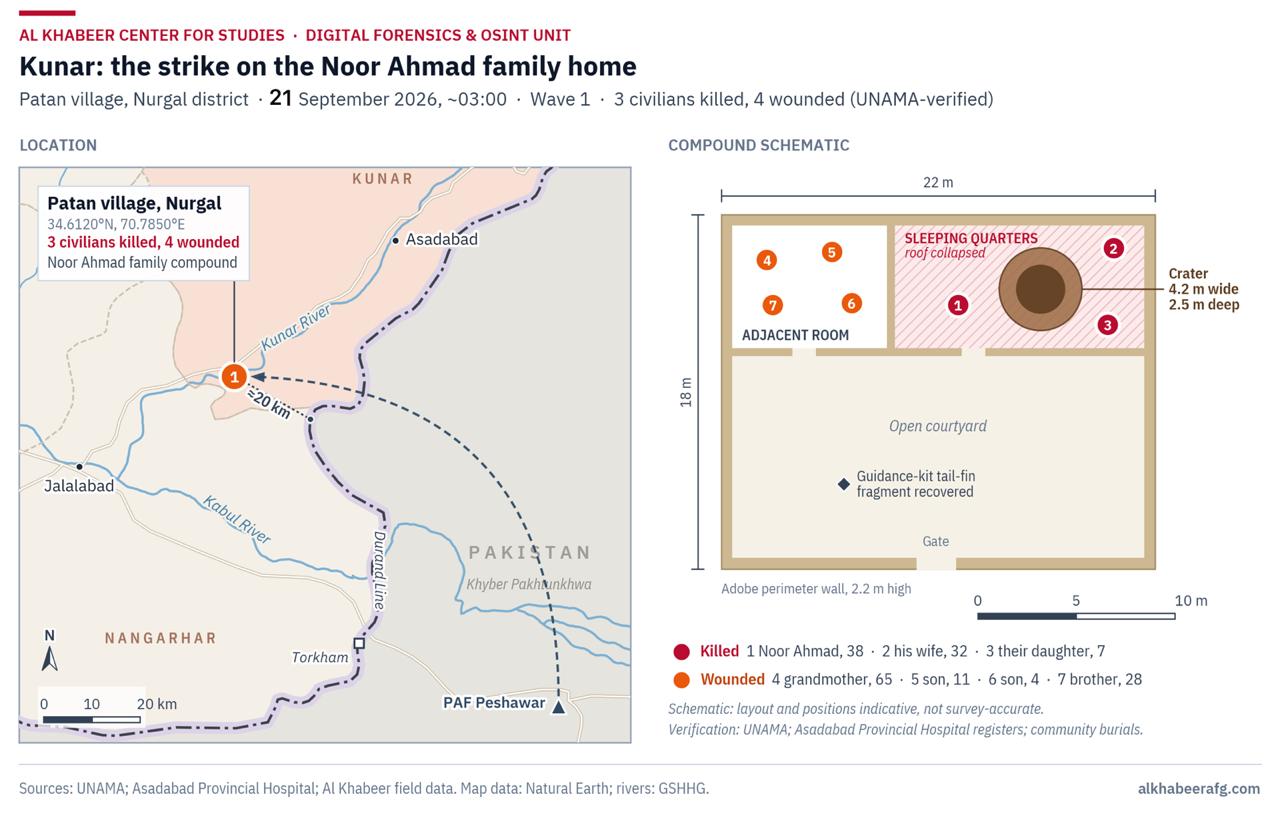
Figure 2: Kunar Patan Ground Zero Forensics
Kandahar and Gardez: The Campaign Moves Deeper
The 24 September strikes changed the geography of the confrontation. At roughly 03:30, a munition detonated in open ground inside Police District 9 of Kandahar City. Afghan authorities said the strike caused no casualties. The impact point, however, sits only a few kilometres from the Taliban’s principal leadership zone in Kandahar.
The proximity gives the strike strategic significance even without casualties. Kandahar has long functioned as the political center of Taliban authority. A strike inside the city’s municipal limits demonstrated that the confrontation was no longer confined to remote frontier districts.
Minutes later, another strike hit the 203rd Mansouri Corps garrison in Gardez, Paktia. Al Khabeer’s imagery assessment identifies roof penetration and blast scorching on a vehicle-maintenance structure inside the fortified compound. Local reporting also placed one of the Pakistani strikes at the Mansouri Corps site.
That distinction matters. A strike on a suspected non-state hideout and a strike inside a state military garrison are not the same category of target. If the imagery assessment is correct, Gardez marked a qualitative escalation in the September campaign.
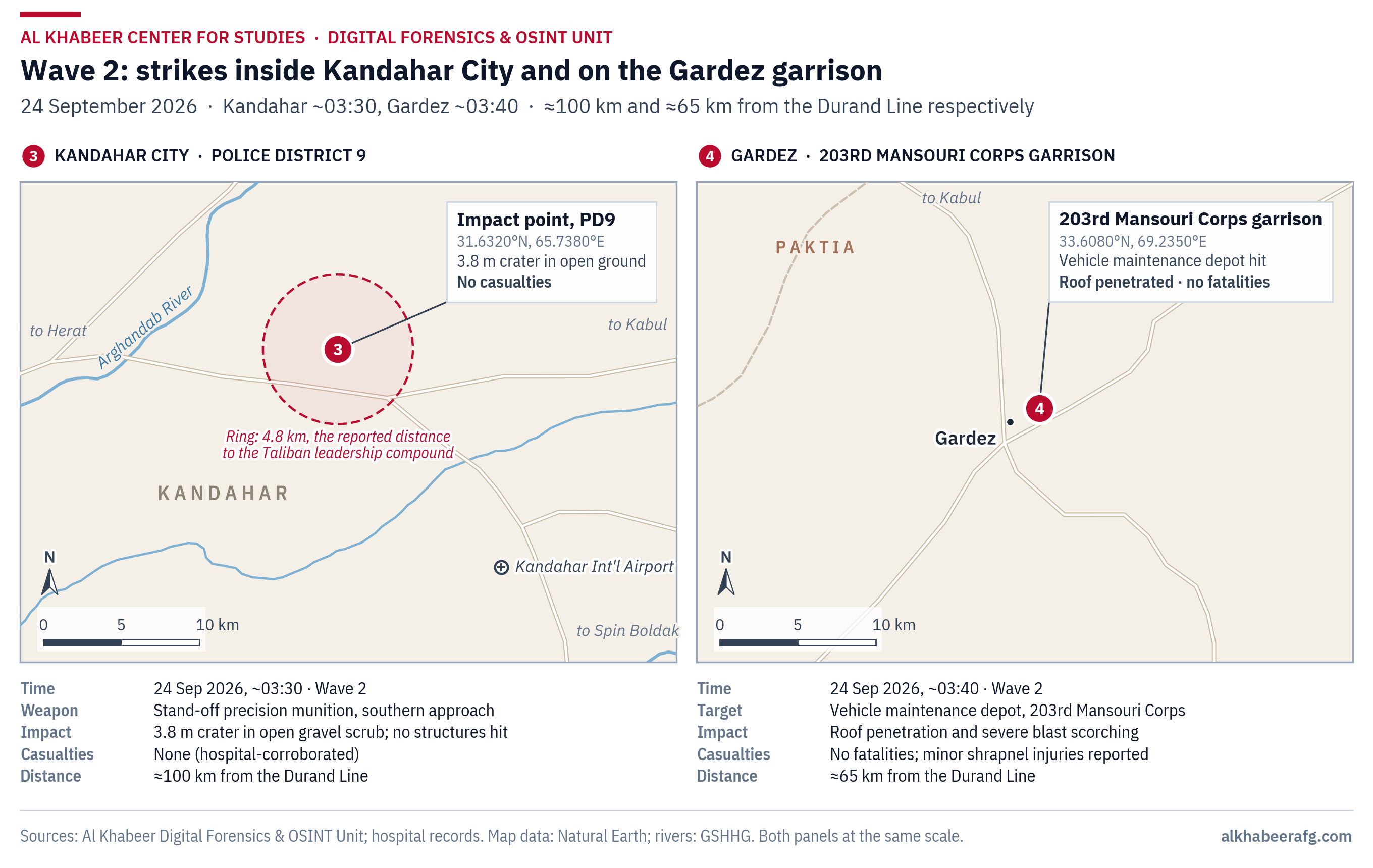
Figure 3: Wave 2 Site Maps --Kandahar City’s PD9 impact point and the strike assessed inside the 203rd Mansouri Corps garrison in Gardez, shown at the same scale.
Khost: 650 Metres from a Refugee Camp. Khost presented a different kind of risk. The investigation mapped three impact sectors: the outer perimeter of Gulan Refugee Camp in Gurbuz, a hillside in Ismail Khel and an open riverbed outside Matun. Afghan officials said the Khost strikes caused no casualties.
The Gulan site is the most consequential of the three because of what lies nearby. Al Khabeer’s satellite measurement places the crater roughly 650 metres north of the camp’s residential edge. The camp shelters thousands of displaced people from North Waziristan. The strike did not hit the residential area, but the distance was small enough to make civilian proximity a central part of the assessment.
The original field account records families leaving shelters after the overnight explosions. The significance of Khost is therefore not a confirmed casualty count, but the narrow buffer between a military strike point and a densely populated displaced community.
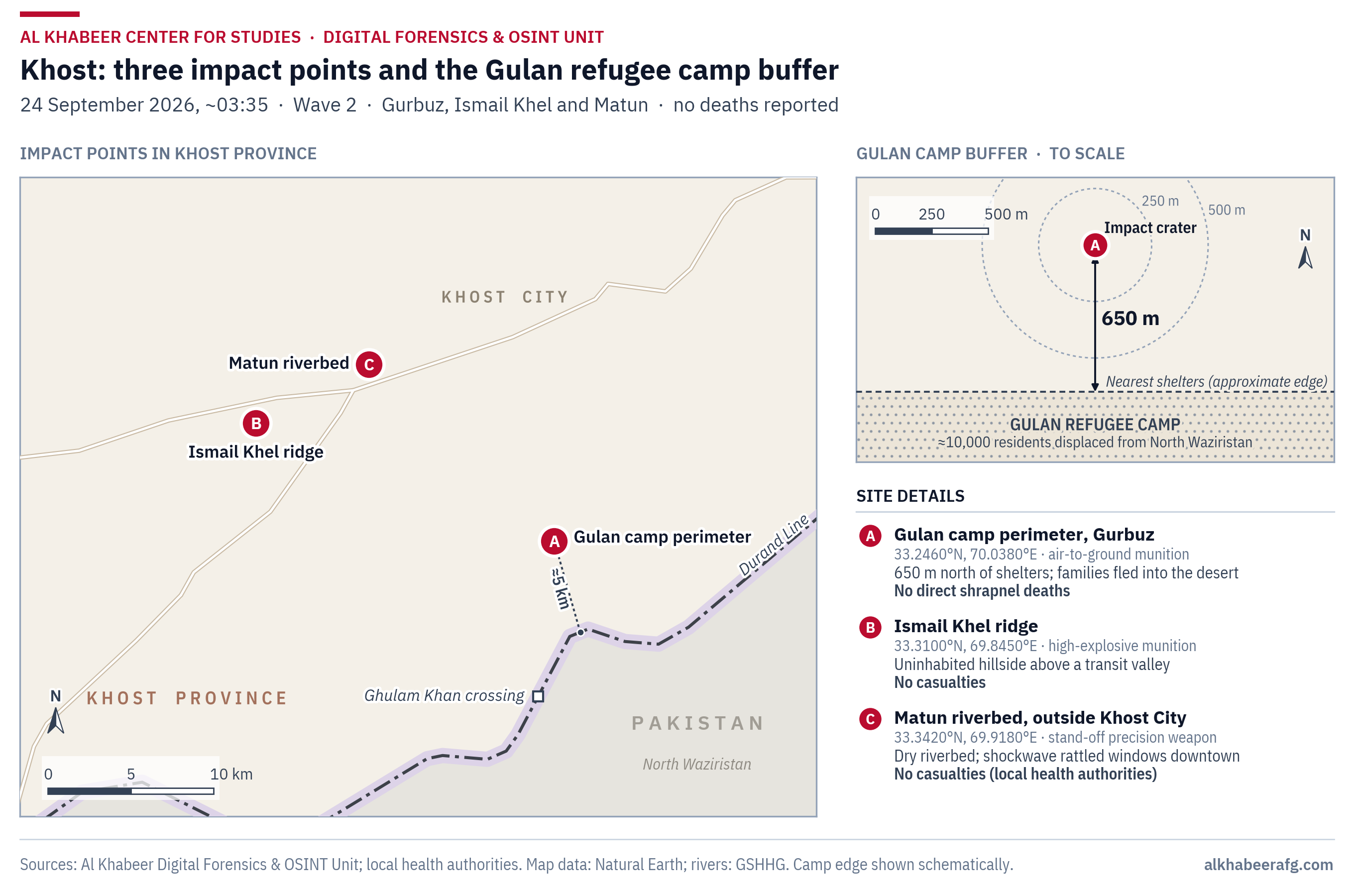
Figure 4: Khost Triple-Sector Audit — The three mapped impact points and the to-scale buffer between the Gurbuz strike crater and the Gulan Refugee Camp.
The Legal Question. The strike pattern also raises legal questions that cannot be answered by the word “precision” alone. International humanitarian law requires distinction between military objectives and civilians, and it requires feasible precautions to reduce civilian harm. The confirmed civilian deaths in Kunar therefore require scrutiny of the target identification and precautions used before the strike.
Pakistan has publicly framed the 24 September operation as an exercise of self-defence. That position is relevant to the separate question of whether force inside Afghan territory was lawful under the UN Charter. The legal assessment turns on facts including the nature and source of the armed attack, necessity, proportionality and the status of the targets. Al Khabeer’s original legal reading is that the Kunar civilian strike and the attack assessed inside the Gardez military garrison raise serious questions under the principles of distinction, precaution and territorial sovereignty.
What the Strike Pattern Shows
The most important finding is not a coordinate. It is the pattern. In the space of two strike windows, the campaign moved from Kunar and Paktika to Kandahar, Paktia and Khost. One site produced a confirmed civilian toll. Another was inside Kandahar City. Another was assessed inside the 203rd Mansouri Corps garrison. In Khost, one impact point sat within roughly 650 metres of a major refugee settlement.
What is clear is that September’s strikes crossed a geographic and strategic threshold. The Pakistan-Afghanistan confrontation was no longer only a border exchange. The strike map now stretched from frontier villages to Kandahar and a military installation in Gardez — a widening battlespace with increasingly direct risks for civilians and state-to-state escalation.
Follow Al Khabeer
Independent reporting on Afghanistan. Follow our work on social media for the latest news, fact checks and analysis.