
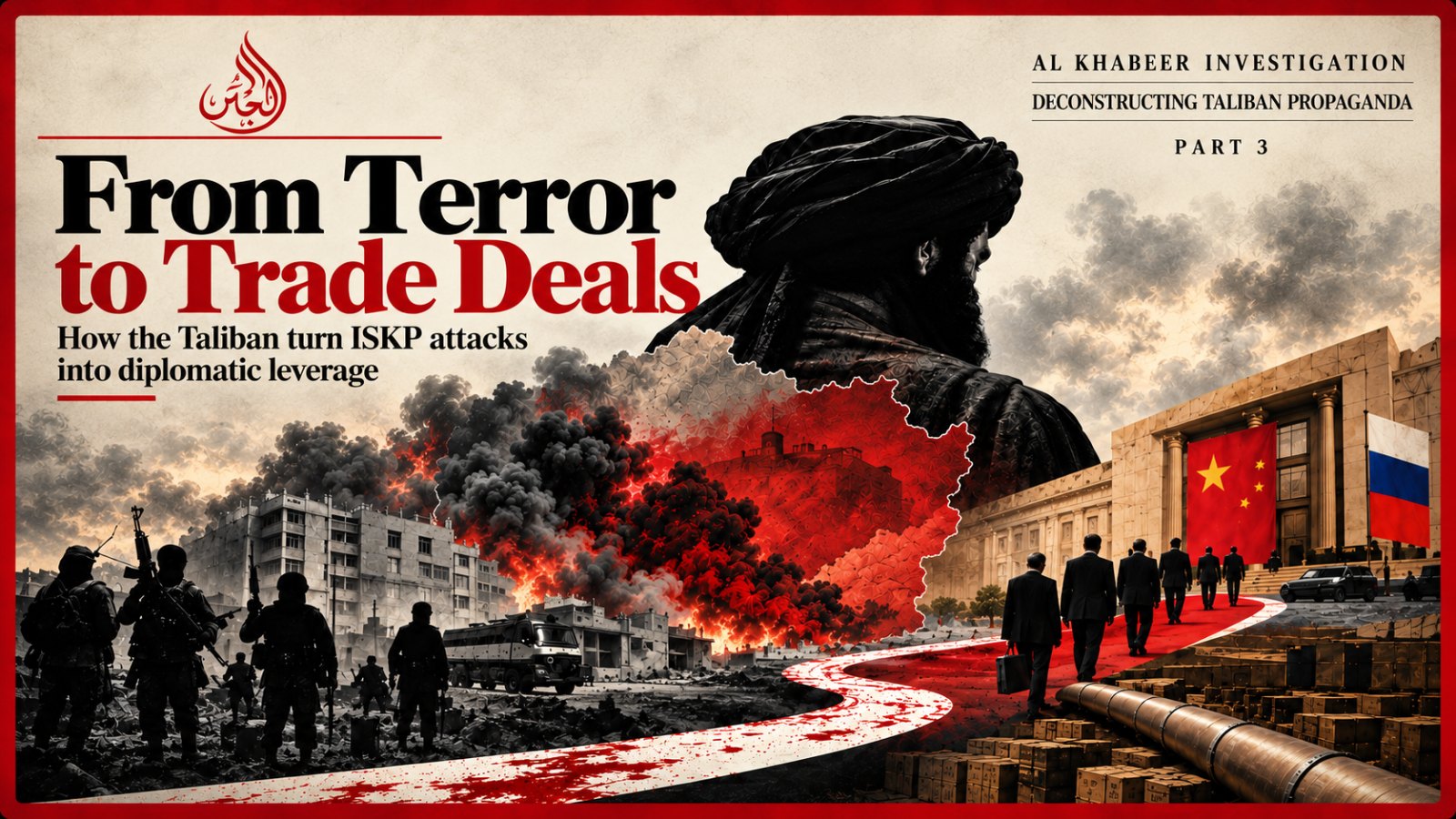
From Terror to Trade Deals: How the Taliban Turn ISKP Attacks into Diplomatic Leverage
ISKP attacks struck foreign interests in Kabul. Trade deals followed. How the Taliban turned persistent insecurity into diplomatic leverage.
Evidence-led examination of Afghanistan’s politics, economy, society and region.
ISKP attacks struck foreign interests in Kabul. Trade deals followed. How the Taliban turned persistent insecurity into diplomatic leverage.
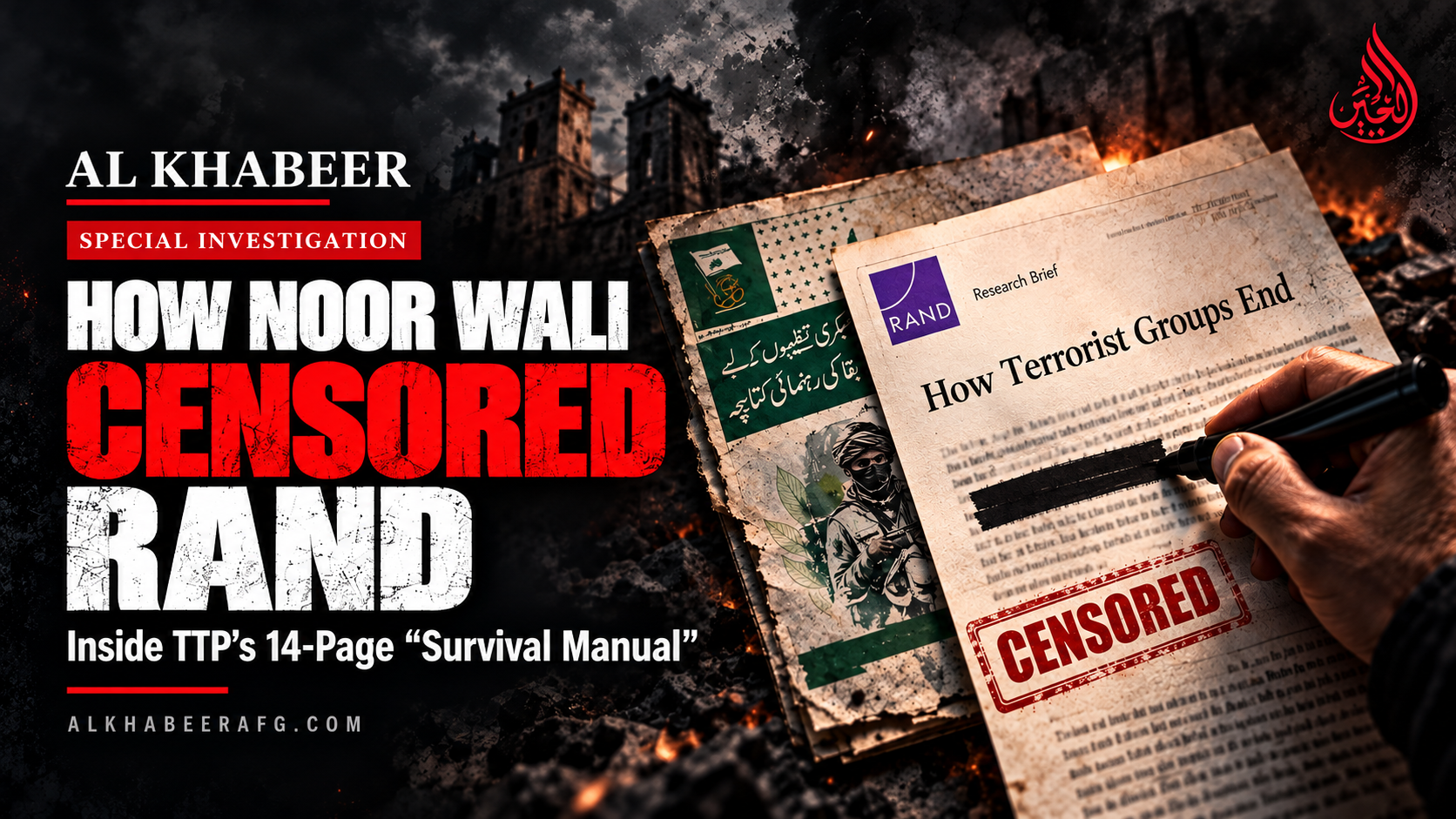
Inside Mufti Noor Wali Mehsud’s 14-page “survival manual” — and the RAND finding it leaves out.
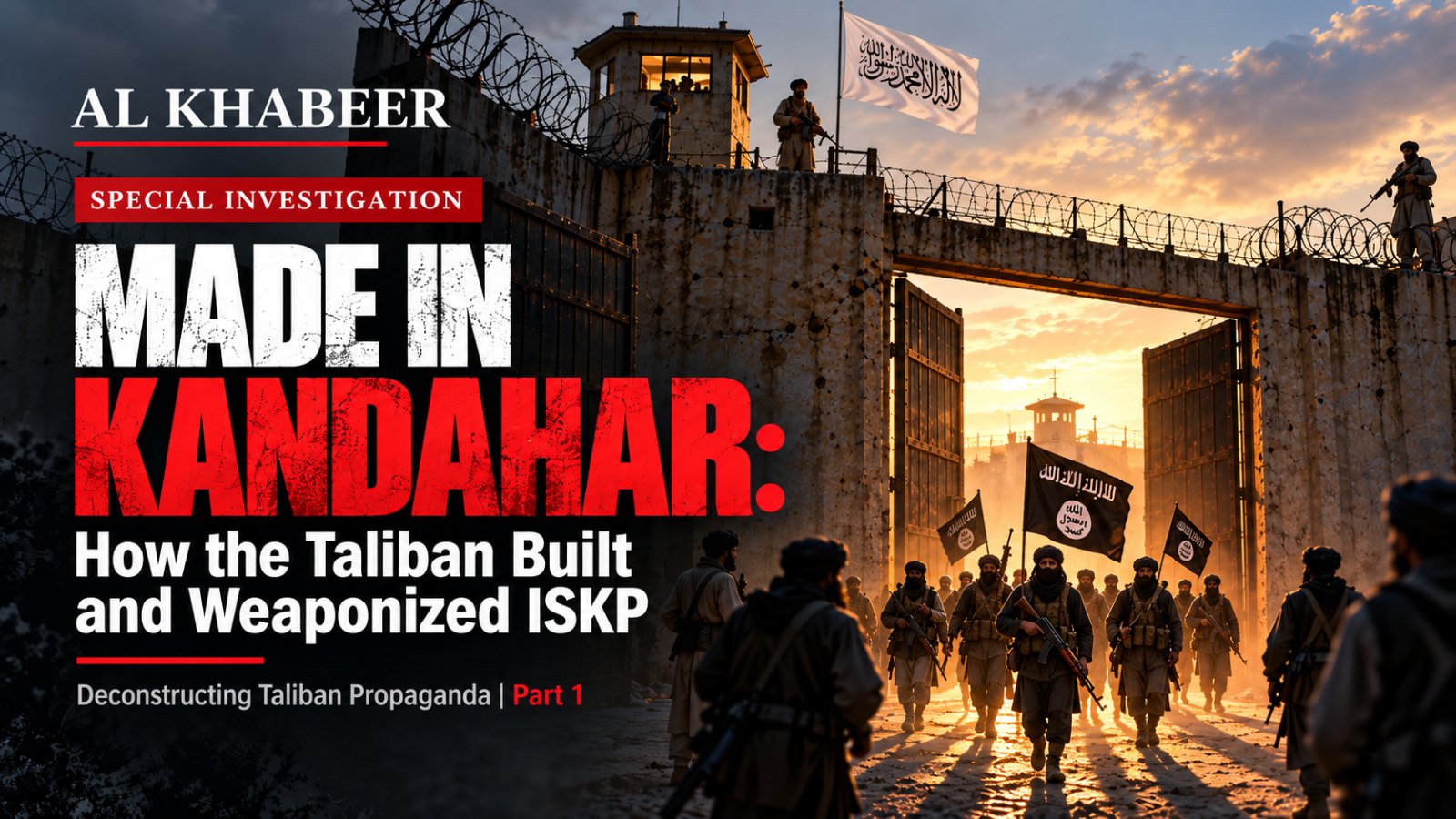
When Kabul fell, ISKP prisoners went free. Al Khabeer examines the Taliban's prison releases, militant networks and claims of fighting Daesh.
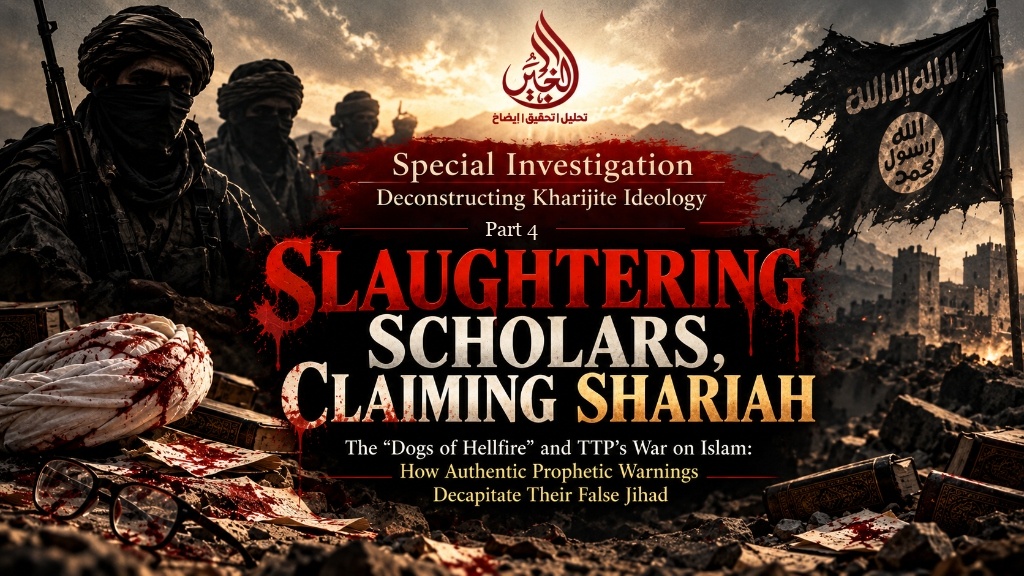
How authentic Prophetic warnings expose TTP’s false jihad, violence against scholars, suicide-bombing fraud, and cross-border sanctuary.
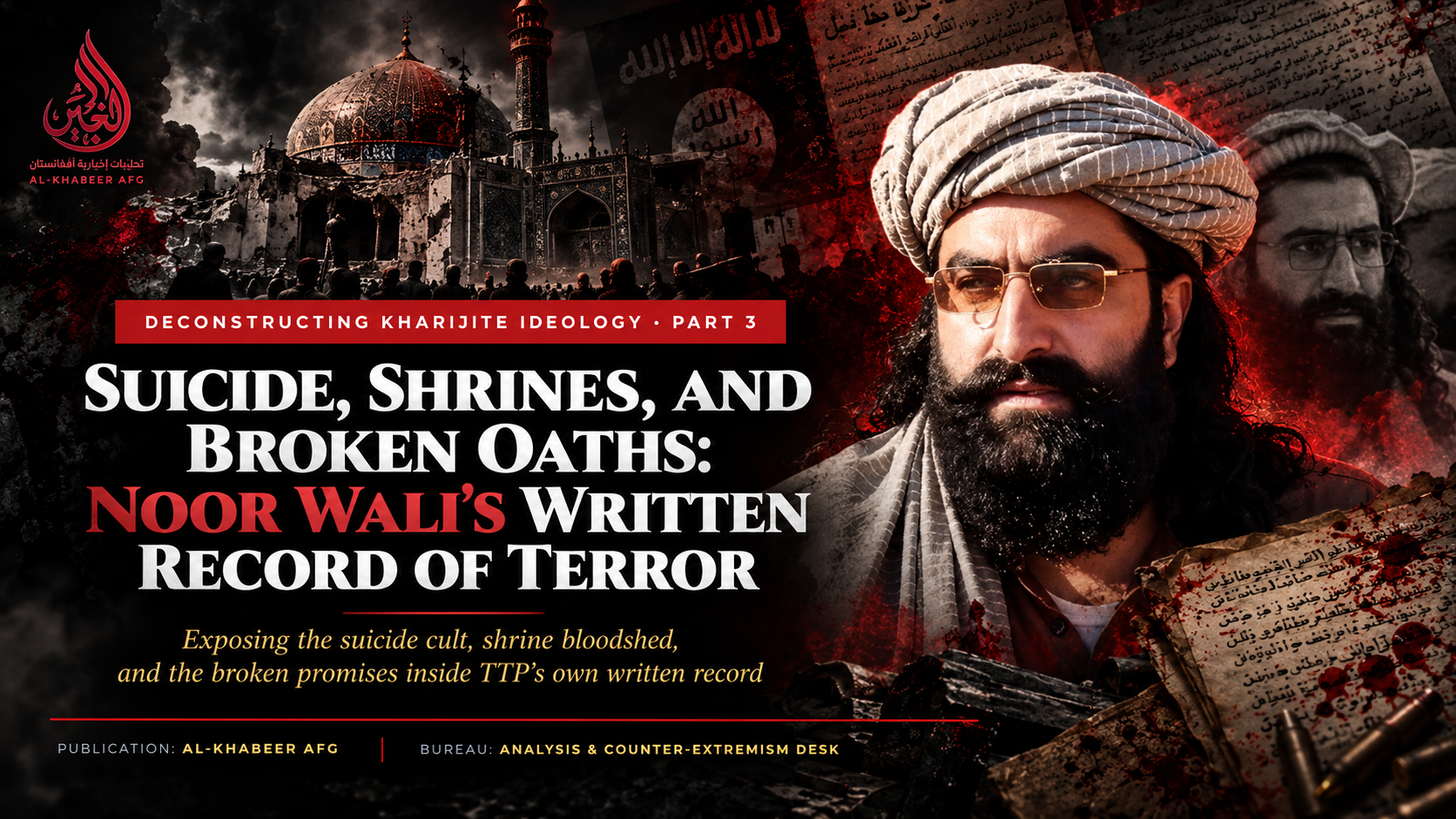
Exposing the suicide cult, shrine bloodshed, and the broken promises inside TTP’s own written record.
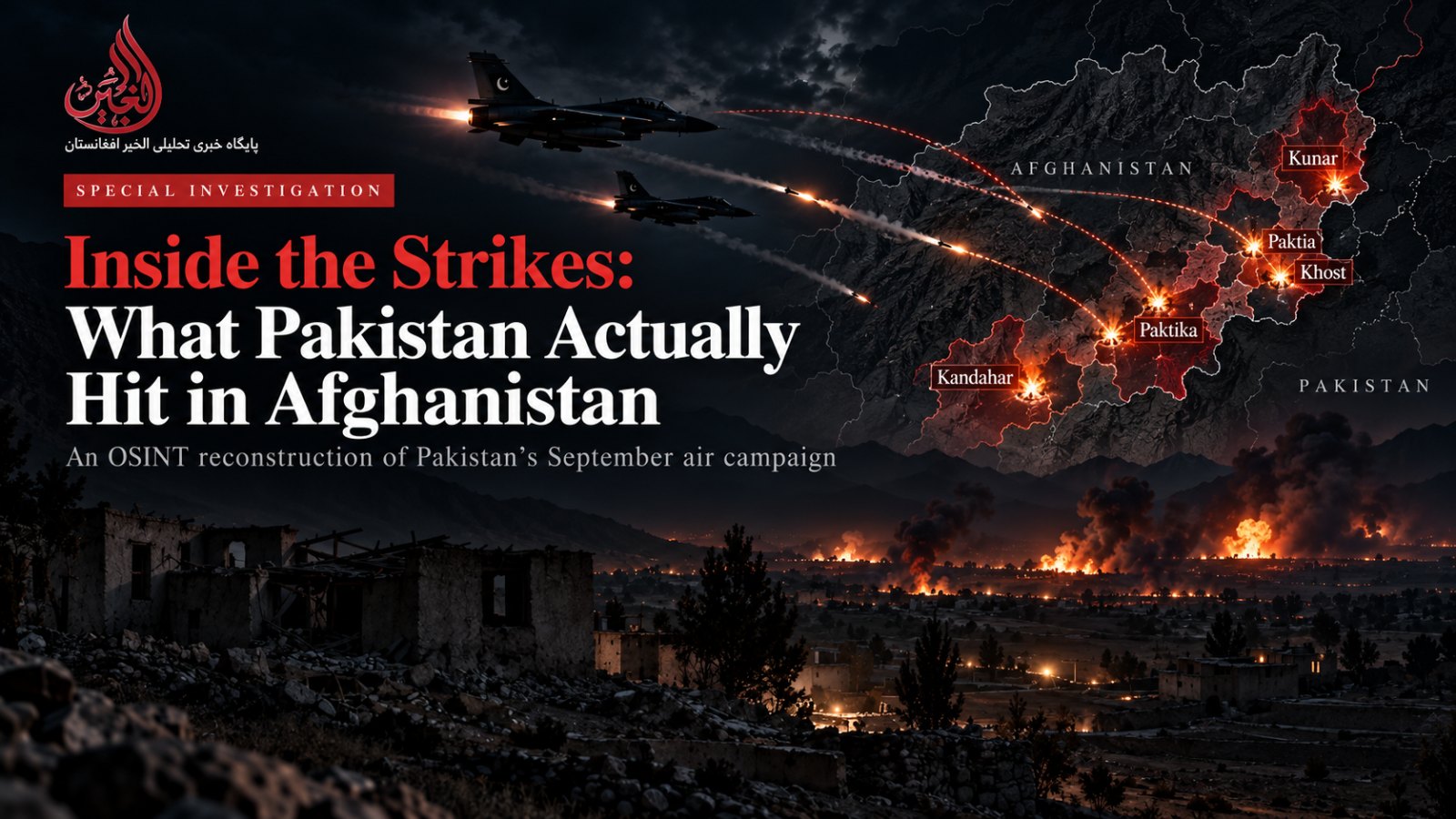
An OSINT reconstruction of Pakistan’s 21 and 24 September air campaign across Kunar, Paktika, Kandahar, Paktia and Khost.
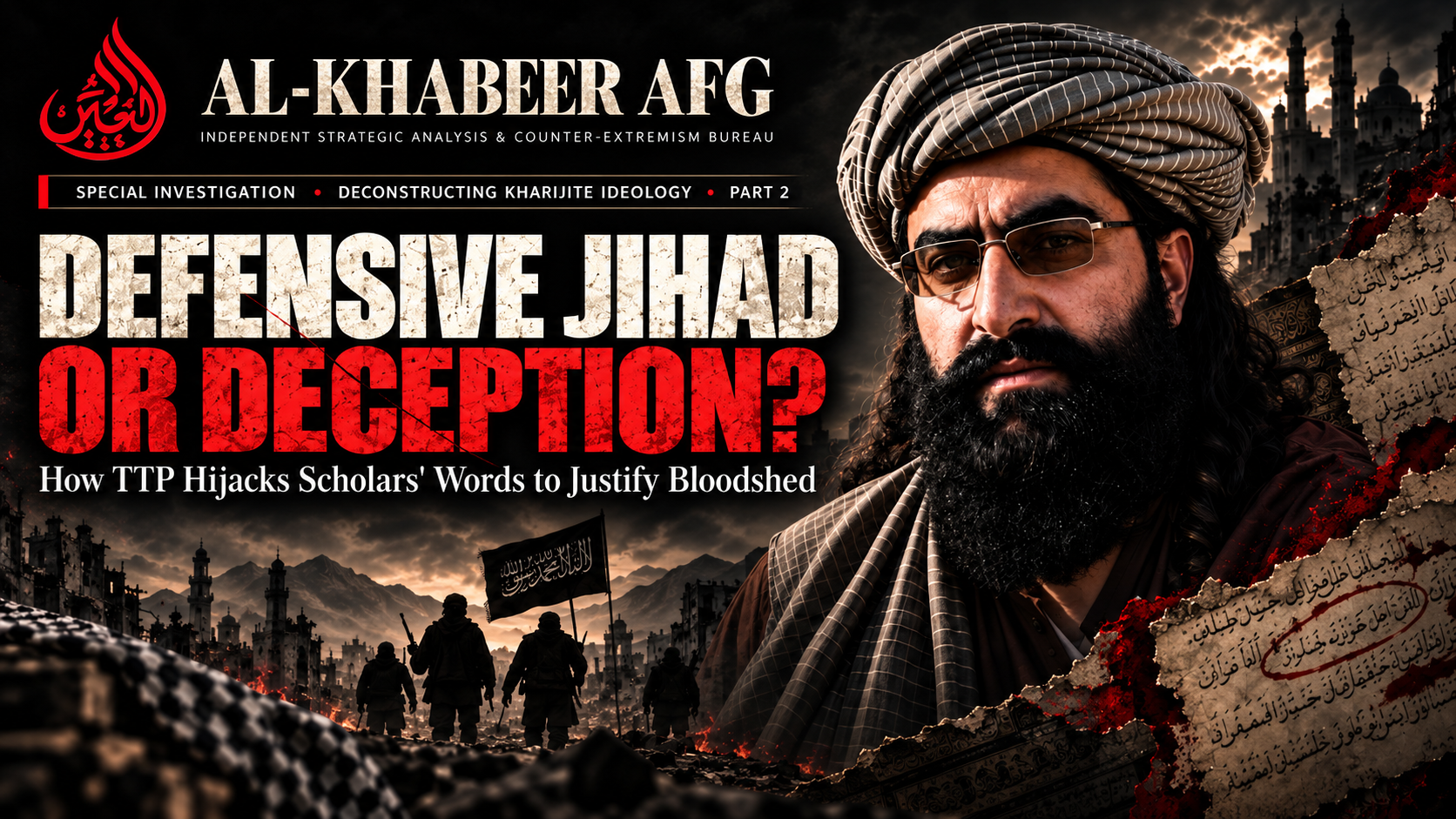
Dead scholars cannot sign fatwas, living jurists brand them rebels, and their own Amir boasts of bedroom assassination.
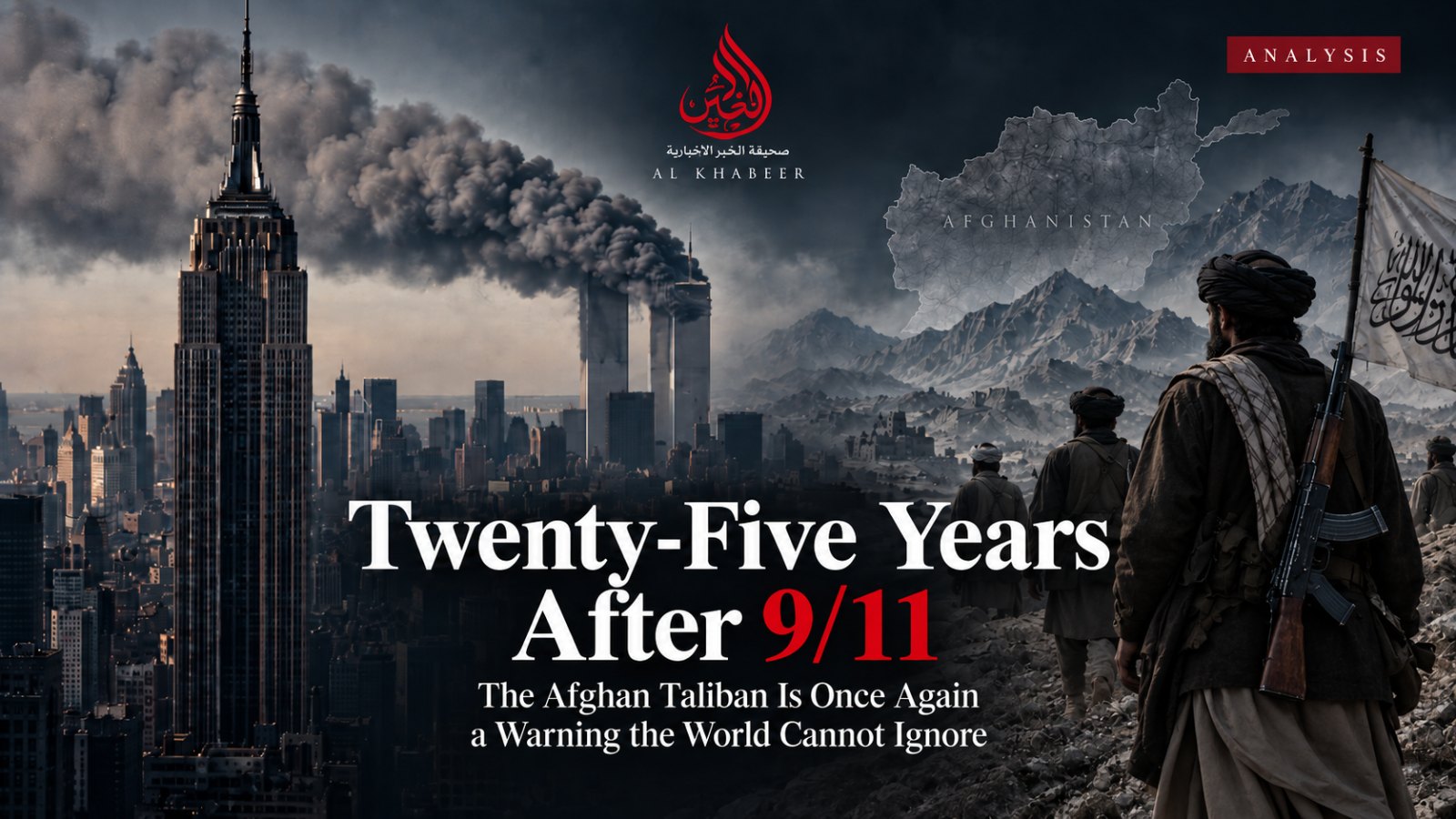
Twenty-five years after 9/11, Afghanistan under the Taliban is again providing space and protection to terrorist networks, raising a warning the world cannot afford to ignore.
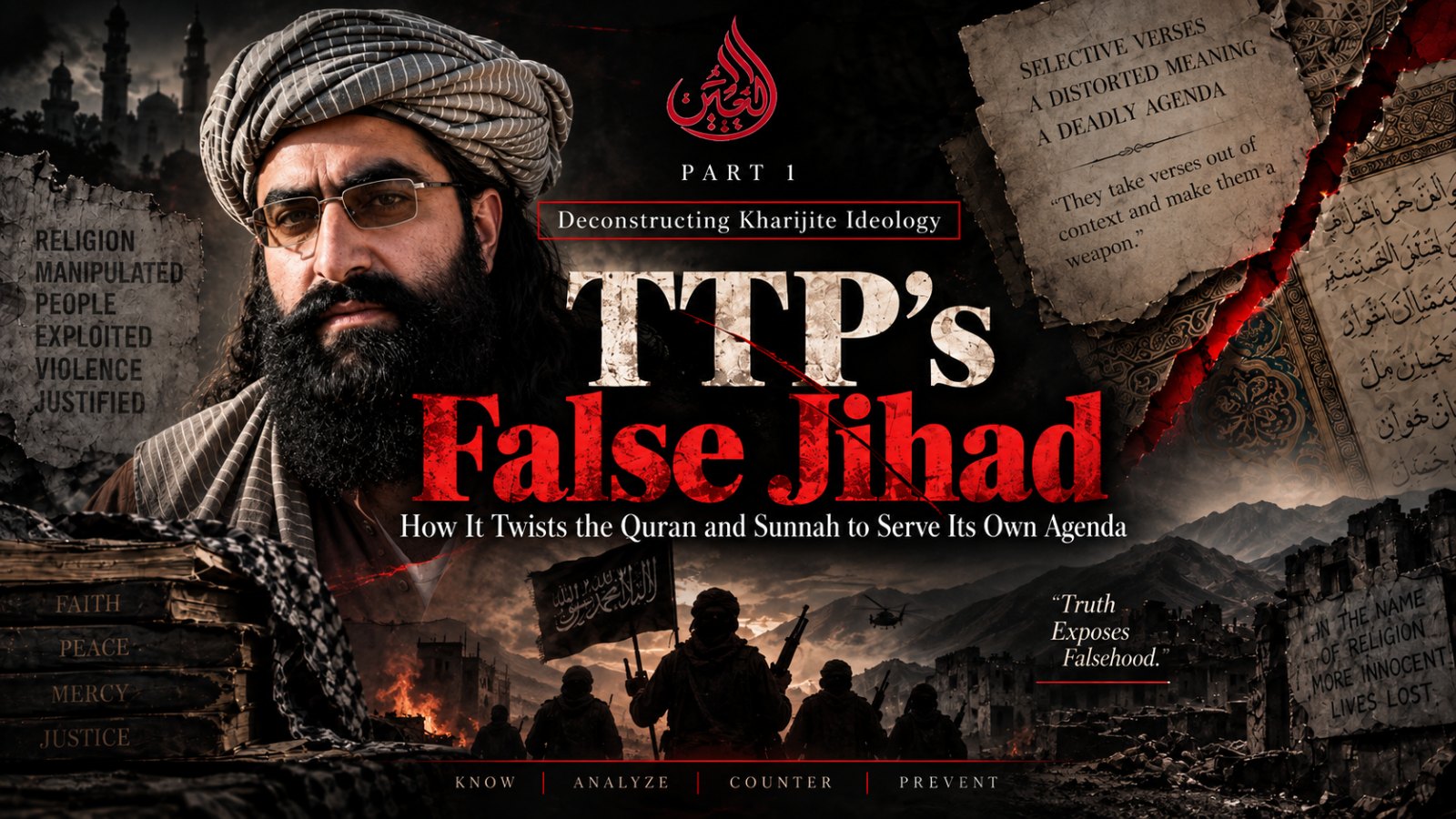
An evidence-based rebuttal of TTP’s jihad claim, exposing how it twists the Quran, Sunnah and its own texts to justify Muslim bloodshed.
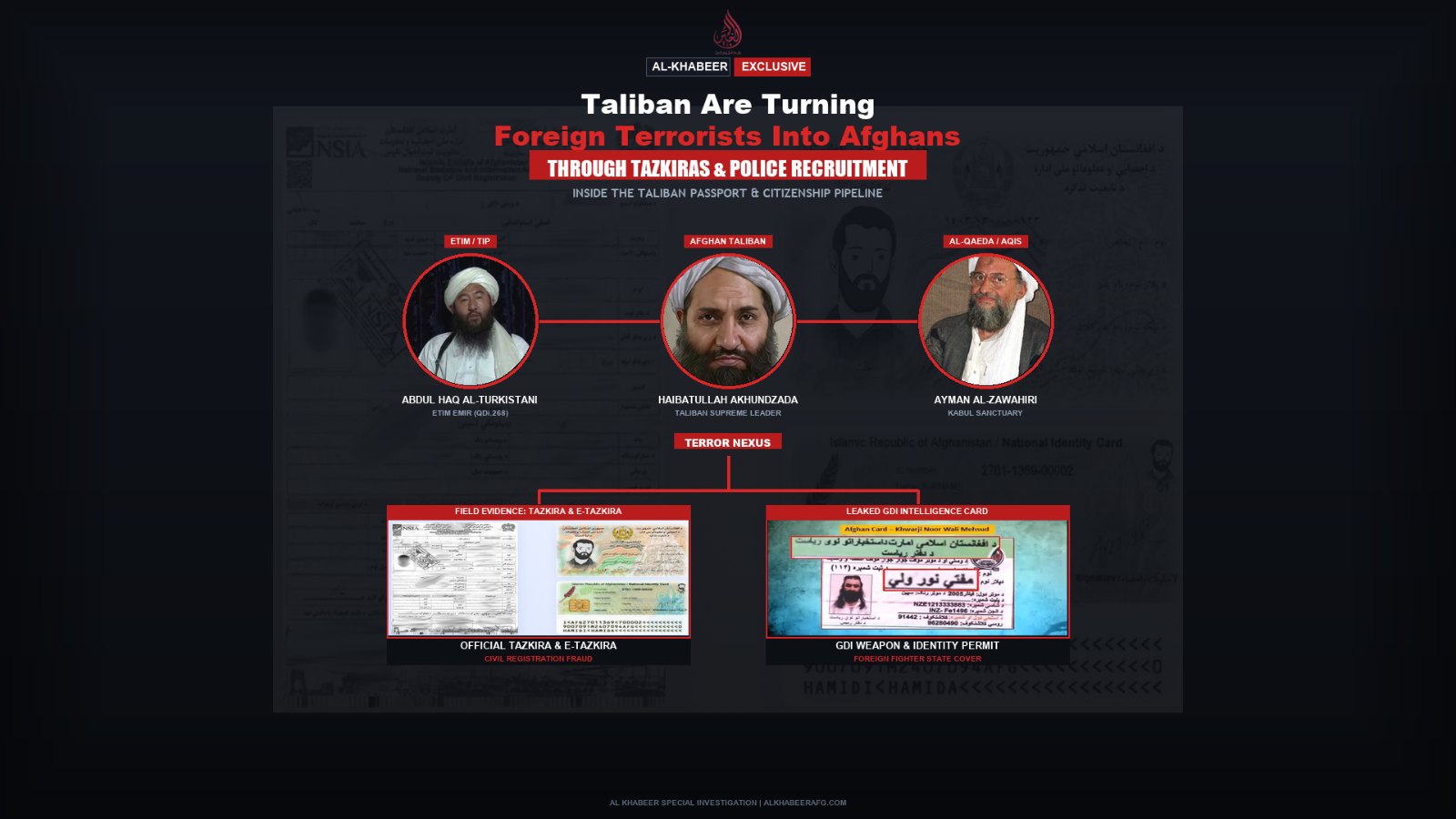
UN reports say Taliban authorities issued Afghan IDs and passports to foreign militants, with some later joining Taliban security forces.
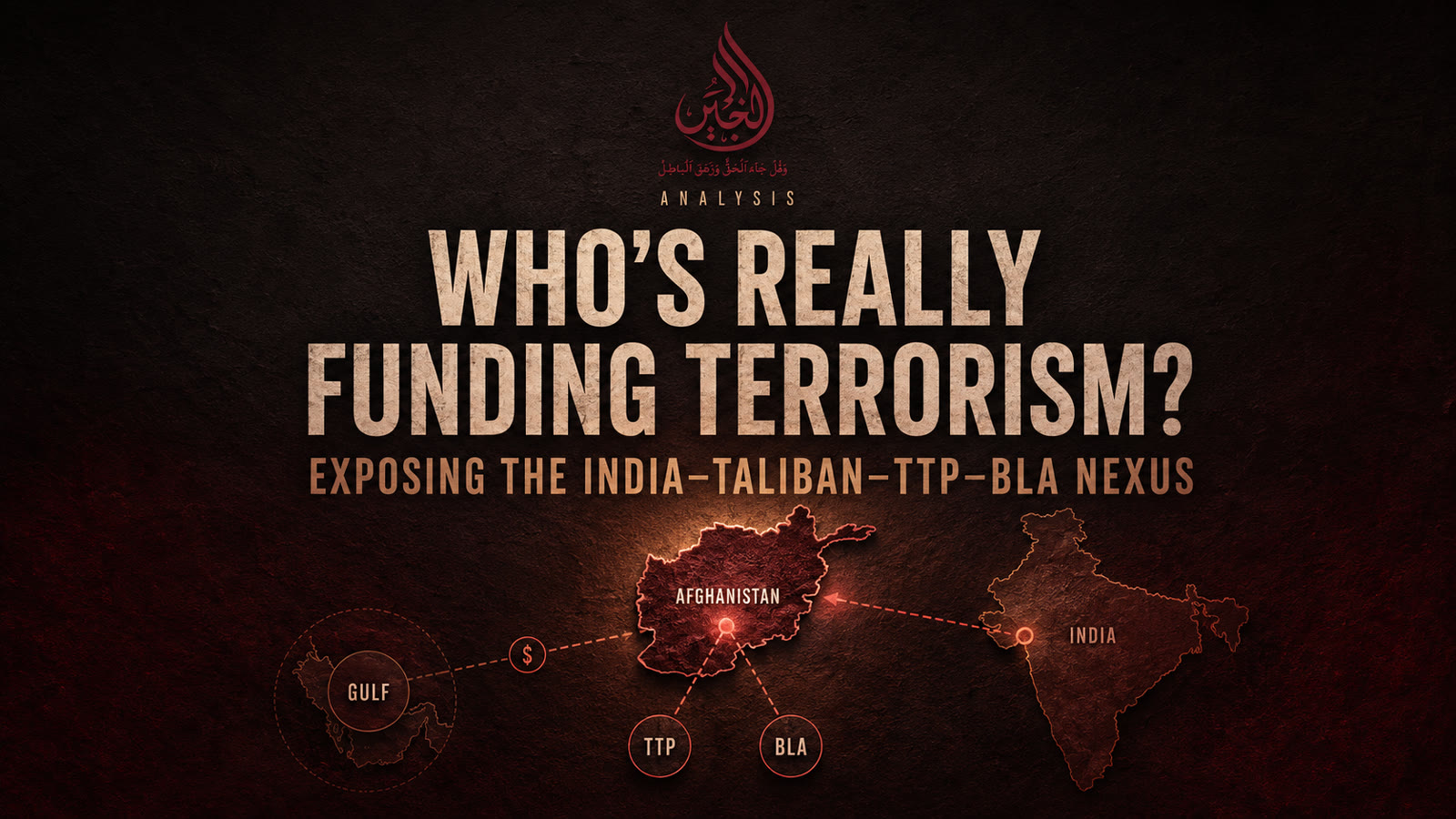
India opens the door and provides covert support. The Taliban give militants safe haven in Afghanistan. TTP and BLA use that support to carry out attacks.
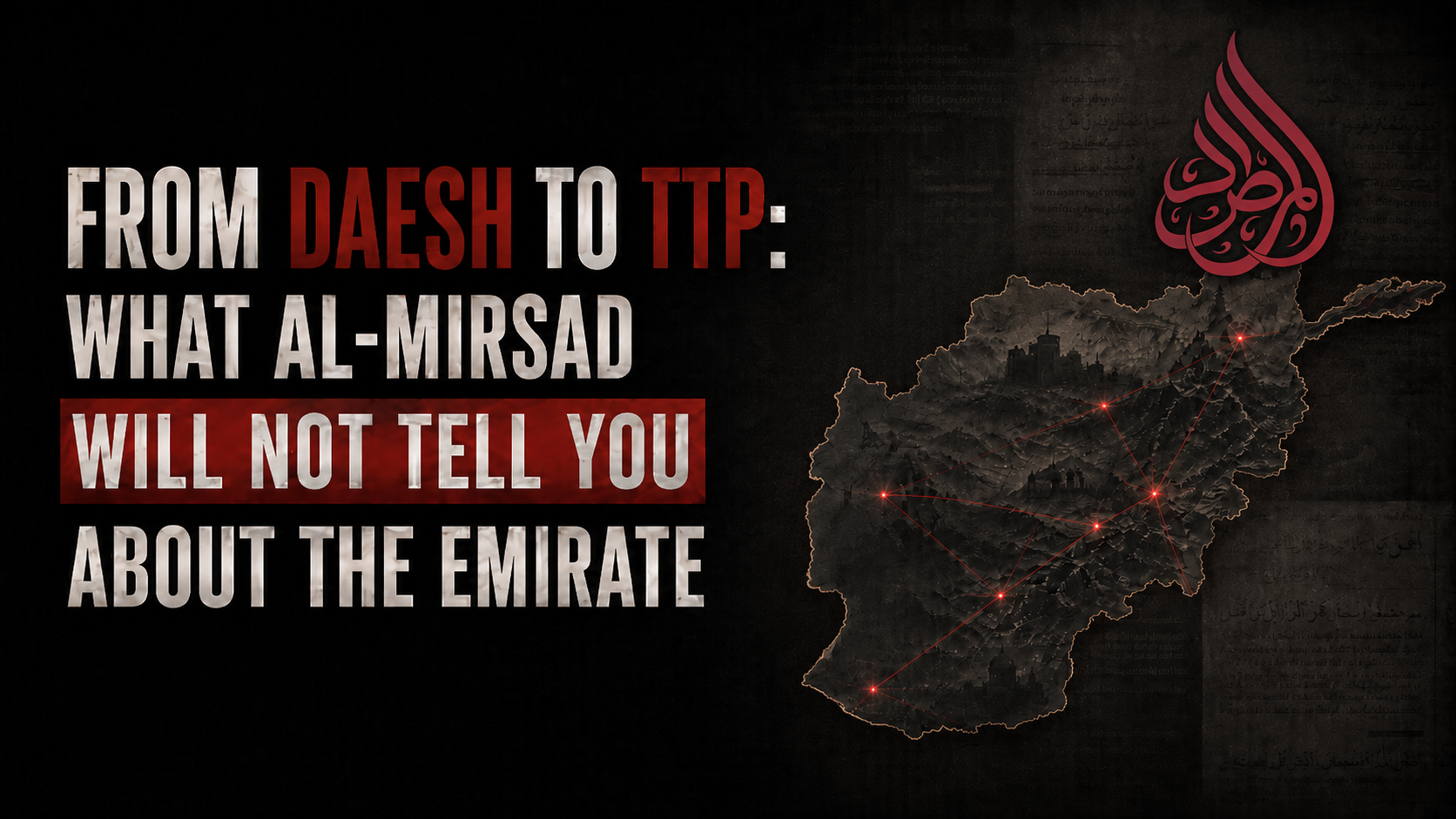
The article argues that ISKP grew from Taliban, TTP and Haqqani networks, while UN reports point to continuing militant support under Taliban rule.