How Noor Wali Censored RAND and Confessed to TTP’s Collapse From Within
Inside Mufti Noor Wali Mehsud’s 14-page “survival manual” — and the RAND finding it leaves out.
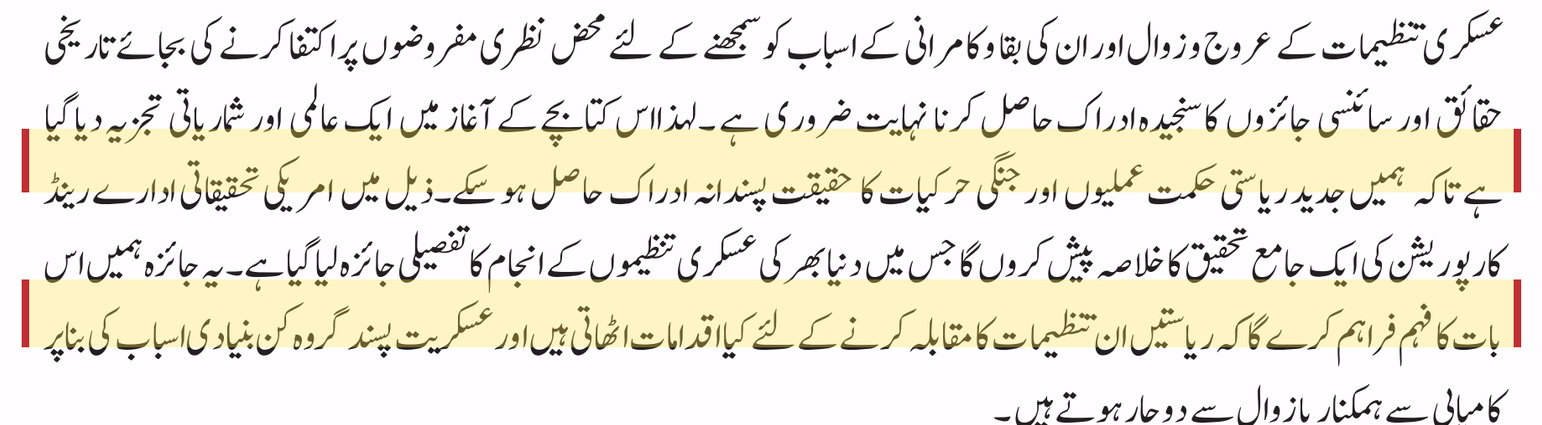
TTP’s Amir opens his 14-page manual for militant groups with a summary of a 2008 RAND Corporation study — and leaves out the finding that matters most to his readers: no religiously motivated group achieved victory. The rest of the booklet describes an organisation under strain.
The booklet
Askari Tanzimat ke liye Baqa o Kamiyabi ke Usool, 14 pages, Maktaba-e-Umar / Umar Media, October 2026.
Compared with
RAND Corporation, How Terrorist Groups End (MG-741-RC; RB-9351-RC, 2008).
A RAND study at the heart of the booklet
For two decades, TTP’s propaganda has presented Western research and modern schooling as tools of kufr, and its war as one fought on prophetic methodology alone. Page 4 of Noor Wali Mehsud’s booklet takes a different line. Militant organisations, it says, cannot be understood through “mere theoretical assumptions” (mahz nazari mafroozon); that requires “historical facts and scientific surveys.” The booklet then summarises a study by “the American research institution RAND Corporation.”
“To understand the causes of the rise and fall of militant organizations and their survival and success, instead of relying on mere theoretical assumptions, it is extremely necessary to gain a serious understanding of historical facts and scientific surveys… Below I will present the summary of a comprehensive and authentic study by the American research institution RAND Corporation…”
«عسکری تنظیمات کے عروج و زوال اور ان کی بقا و کامرانی کے اسباب کو سمجھنے کے لئے محض نظری مفروضوں پر اکتفا کرنے کی بجائے تاریخی حقائق اور سائنسی جائزوں کا سنجیدہ ادراک حاصل کرنا نہایت ضروری ہے۔ لہذا اس کتابچے کے آغاز میں ایک عالمی اور شماریاتی تجزیہ دیا گیا ہے تاکہ ہمیں جدید ریاستی حکمت عملیوں اور جنگی حرکیات کا حقیقت پسندانہ ادراک حاصل ہو سکے۔ ذیل میں امریکی تحقیقاتی ادارے رینڈ کارپوریشن کی ایک جامع تحقیق کا خلاصہ پیش کروں گا…»
The study is RAND’s How Terrorist Groups End (2008), by Seth G. Jones and Martin C. Libicki. It covers 648 groups active between 1968 and 2006, of which 268 ended during the period, 136 splintered and 244 remained active. Pages 4 to 7 of the booklet follow RAND’s research brief (RB-9351-RC) closely, section by section, with comments of their own.
The booklet does not say what the study was for. Its full title is How Terrorist Groups End: Lessons for Countering al Qa’ida, and it was written to advise the United States on defeating al Qa’ida. It also names TTP’s founder: al Qa’ida, RAND writes, “acted as a force multiplier for the Taliban and allied commanders, such as Sirajuddin Haqqani and Baitullah Mehsud.” Its chronology of al Qa’ida attacks includes the killing of Benazir Bhutto in Rawalpindi on 27 December 2007 by “members of al Qa’ida and allies of Pakistani tribal leader Baitullah Mehsud.”
The finding that was left out
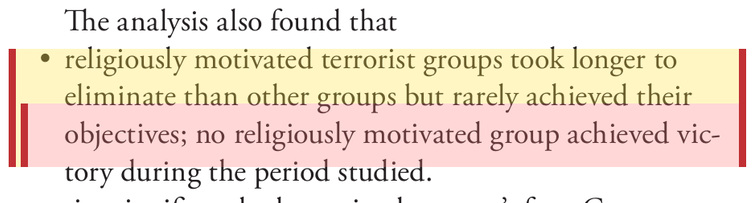
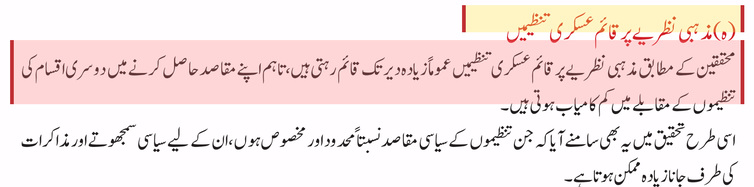
RAND’s research brief gives its finding on religious groups in a single sentence divided by a semicolon. The booklet’s version, on page 6, section (ہ), stops at the semicolon.
Original · RAND research brief, p. 2
“religiously motivated terrorist groups took longer to eliminate than other groups but rarely achieved their objectives; no religiously motivated group achieved victory during the period studied.”
RAND monograph (MG-741-RC, p. 36): “Of the 45 religious terrorist groups that did end, most (26) splintered. None achieved its aims.”
Translation · Booklet, p. 6, section (ہ)
«(ہ) مذہبی نظریے پر قائم عسکری تنظیمیں: محققین کے مطابق مذہبی نظریے پر قائم عسکری تنظیمیں عموماً زیادہ دیر تک قائم رہتی ہیں، تاہم اپنے مقاصد حاصل کرنے میں دوسری اقسام کی تنظیموں کے مقابلے میں کم کامیاب ہوتی ہیں۔»
“According to researchers, militant organizations based on religious ideology generally last longer, but are less successful than other types of organizations in achieving their objectives.”
Not translated: the clause after the semicolon, struck through on the left.
The booklet’s readers are not told the finding that matters most to them: no religiously motivated group achieved victory during the period RAND studied. RAND’s full study adds that most of the religious groups that ended — 26 of 45 — splintered, and that of those ended by the authorities, “most (13) fell to policing, while only three succumbed to military force.”

A misleading comparison
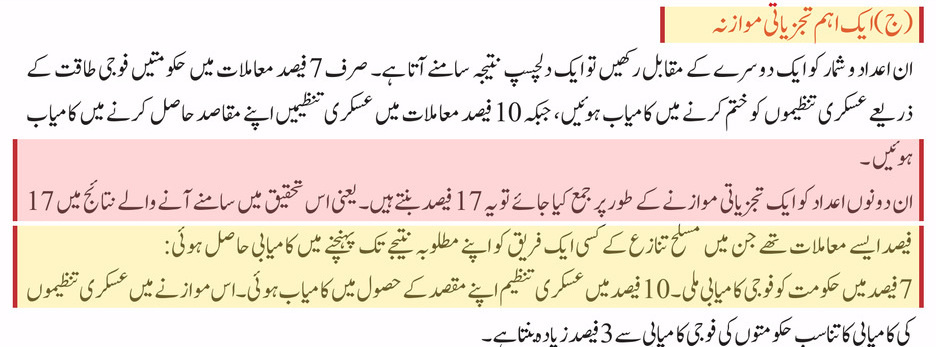
On page 5, section (ج), under the heading “An Important Analytical Comparison” — ایک اہم تجزیاتی موازنہ — the booklet sets two of RAND’s four outcomes side by side.
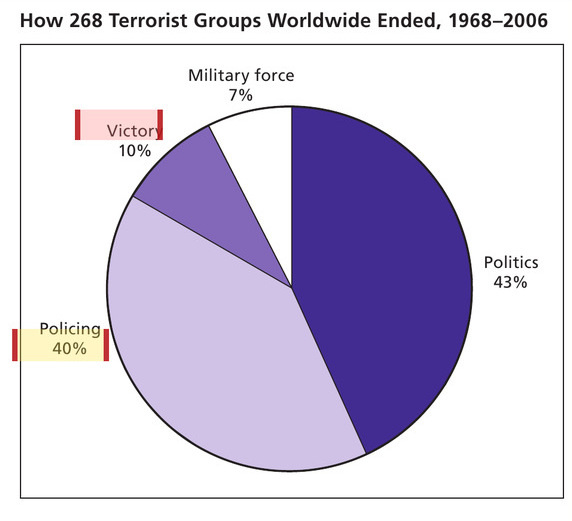
“In only 7% of cases did governments succeed in ending militant organizations through military force, whereas in 10% of cases militant organizations succeeded in achieving their objectives. If both these figures are added together as an analytical comparison, they make 17%… In this comparison, the ratio of militant organizations’ success is 3 percent higher than governments’ military success.”
«صرف 7 فیصد معاملات میں حکومتیں فوجی طاقت کے ذریعے عسکری تنظیموں کو ختم کرنے میں کامیاب ہوئیں، جبکہ 10 فیصد معاملات میں عسکری تنظیمیں اپنے مقاصد حاصل کرنے میں کامیاب ہوئیں۔ ان دونوں اعداد کو ایک تجزیاتی موازنے کے طور پر جمع کیا جائے تو یہ 17 فیصد بنتے ہیں… اس موازنے میں عسکری تنظیموں کی کامیابی کا تناسب حکومتوں کی فوجی کامیابی سے 3 فیصد زیادہ بنتا ہے۔»
How 268 terrorist groups worldwide ended, 1968–2006
Share of groups, by the main reason they ended. Burgundy marks the two figures the booklet’s comparison uses.
No religiously motivated group achieved victory. Source: RAND Corporation, RB-9351-RC (2008), Figure 1.
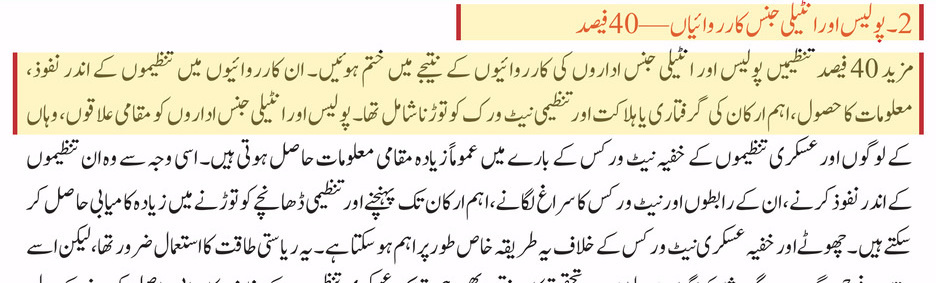
The comparison sets militant victory against only one of the state’s instruments. Ninety percent of the groups that ended did so without victory. Most ended through a political settlement (43 percent) or through policing and intelligence (40 percent) — the method the booklet itself describes in point 2 of the same page: “infiltration inside the organizations, intelligence gathering, the arrest or killing of key members, and breaking the organizational network.” RAND’s own example is Pakistan, where, it writes, the most successful efforts to capture or kill al Qa’ida leaders after the September 2001 attacks “occurred because of careful police and intelligence work, not military force.” It is the approach of the intelligence-based operations Pakistan conducts against TTP today.
Page 5 also explains the 7 percent away: military force succeeded, it says, only where militants were few — “fewer than two thousand” — or held a single area, such as Anbar in Iraq, where al-Qaeda had “a small government.” RAND found the opposite. Military force worked best against groups strong enough to wage an insurgency, and such groups ended by military force 25 percent of the time. RAND’s chapter on Anbar describes al-Qaeda in Iraq as one of them — a group that had “brought its troubles onto itself through an overly aggressive stance” before local tribes turned against it. On page 6, section (د), the booklet itself concedes that military force works best against large, organised insurgencies. TTP is exposed either way — to the army when it concentrates, and to intelligence penetration when it disperses.
“So that all workers remain busy”
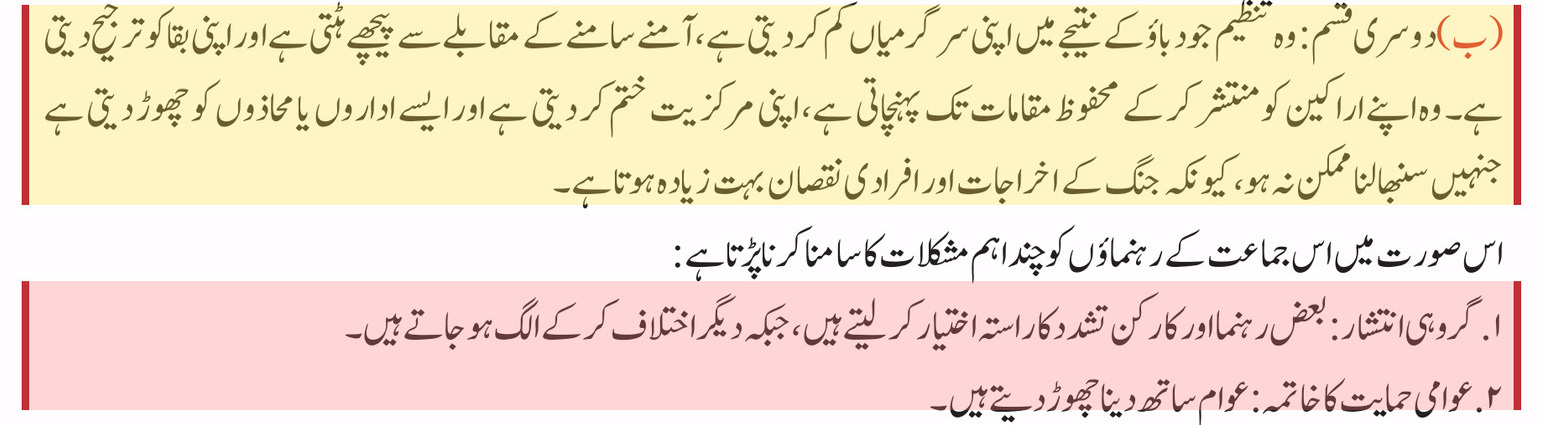
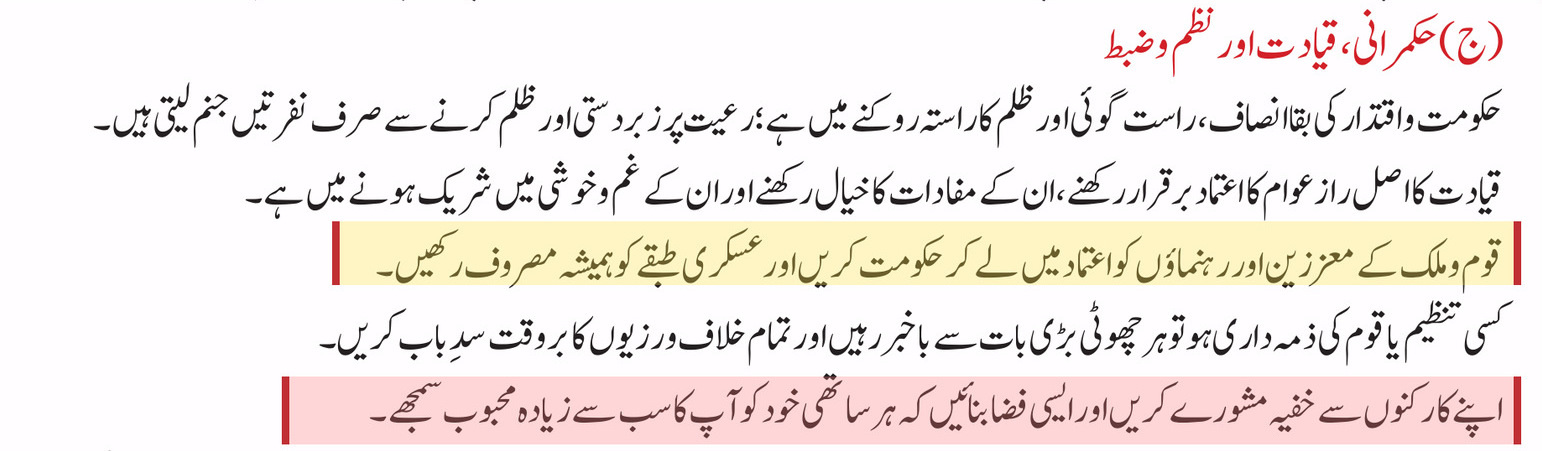
From page 7 the booklet moves from RAND to Noor Wali Mehsud’s own guidance. Page 8, section (ب), describes an organisation that retreats from open combat under pressure “because war expenses and human casualties are extremely high,” and the difficulties its leaders then face: factional splintering (gurohi intishar) and the end of public support — “The public stops supporting them.”
Its remedies follow: keep plans secret, protect civilians “so that public support can be restored,” and, in the first line of page 9:
“Adopt the path of guerrilla (ambush) warfare so that all workers remain busy and avoid internal disputes.”
«گوریلا (گھات لگا کر) جنگ کا راستہ اختیار کریں تاکہ تمام کارکنان مصروف رہیں اور باہمی اختلافات سے بچے رہیں۔»
Page 10, point 3, returns to the strain on the ranks: “When fighters pull back from sacrificing themselves and take the path of flight [desertion — rah-e-firar], how can victory over opponents be achieved?” Page 13, section (ج), repeats the advice: “always keep the military [fighter] class busy.” Guerrilla attacks are presented not only as a tactic but as a way to keep fighters occupied and to contain dissent in the ranks.


Force and money: the funding model
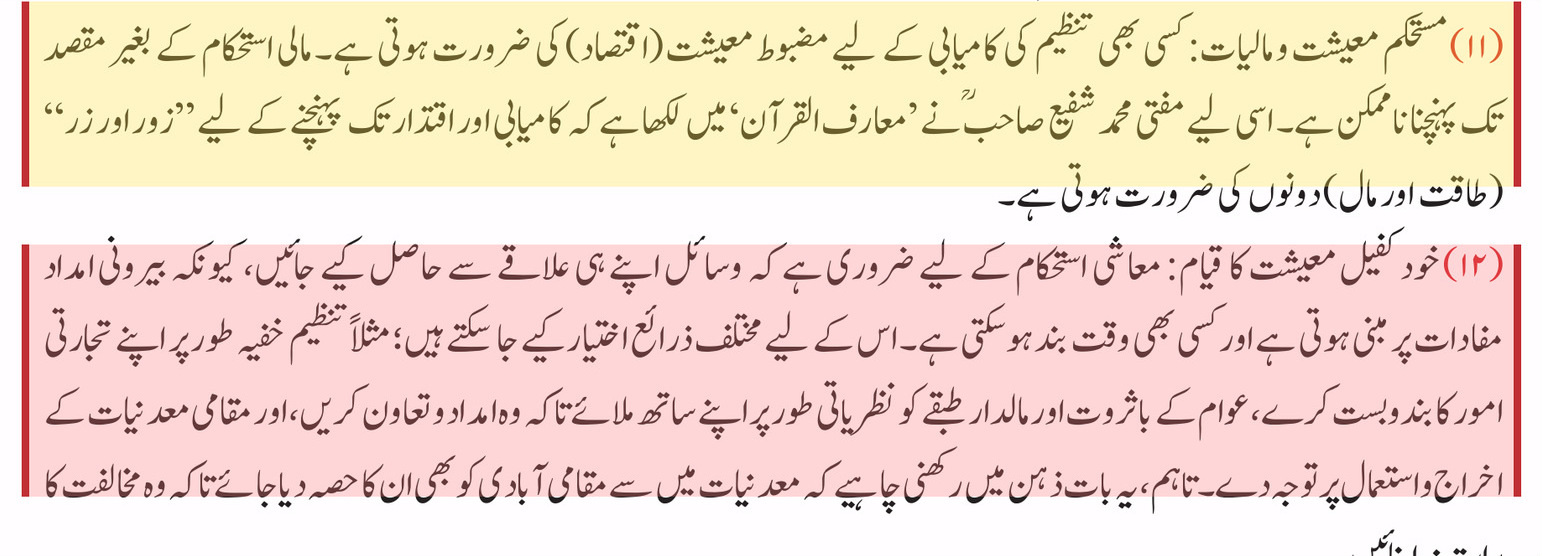
Page 11, points 11 and 12, sets out the organisation’s finances. Citing Mufti Muhammad Shafi’s Ma’ariful Qur’an, it states that success and power require “zaur aur zar” — force and wealth. It calls for a self-sufficient economy “because foreign aid is based on [foreign] interests and can be cut off at any time,” and lists the means: “the organization should secretly arrange its own commercial affairs,” win over “the wealthy and rich class of the public” so that they give funds, and “focus on extracting and using local minerals,” giving local people a share “so that they do not adopt the path of opposition.”
The warning about foreign aid implies that outside money has been part of TTP’s finances, and page 12, point 26, adds that political or financial support “at the external or internal level” can greatly increase a group’s capability and influence. The U.S. State Department has assessed that TTP raises most of its funds “through kidnapping-for-ransom payments, extortion, and other criminal activity.”
A base abroad and a “foreign land”
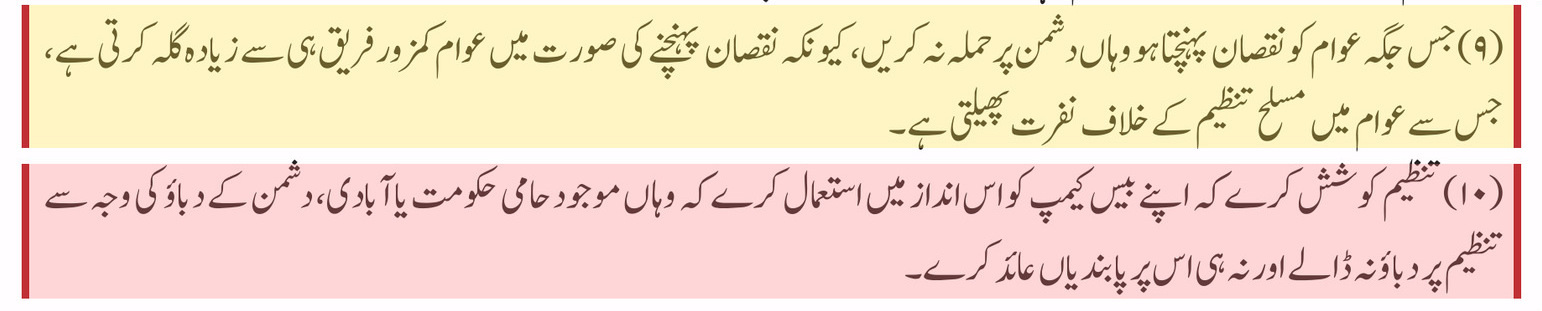
Pages 7 and 8 list thirteen rules for militant groups in the field. None cites the Qur’an or Sunnah, and several concern public opinion. Point 3 instructs: “Necessarily highlight your victimhood on the media.” Point 9 advises against attacks that harm the public, “because when harm occurs, the public blames the weaker party more, which spreads hatred against the armed organization among the people.” Point 7 asks for every effort to infiltrate the enemy: to uncover its spies and plans and, from inside its ranks, to carry out sabotage and attack important targets.
Point 10 concerns the organisation’s base:
“(10) The organization should try to use its Base Camp in such a way that the supporting government or population present there does not put pressure on the organization or impose restrictions on it due to enemy pressure.”
«(10) تنظیم کوشش کرے کہ اپنے بیس کیمپ کو اس انداز میں استعمال کرے کہ وہاں موجود حامی حکومت یا آبادی، دشمن کے دباؤ کی وجہ سے تنظیم پر دباؤ نہ ڈالے اور نہ ہی اس پر پابندیاں عائد کرے۔»
The rule assumes what TTP and its hosts deny in public: that the organisation operates from a base camp outside Pakistan, under a “supporting government.” In December 2025 the UN Security Council’s monitoring team reported the “continued Taliban harbouring of TTP leadership in Afghanistan.” The booklet’s model of leadership is the same movement: on page 10 it praises Mullah Muhammad Omar and celebrates the Islamic Emirate’s return to Kabul on 15 August 2021.

The last pages: a “foreign land”
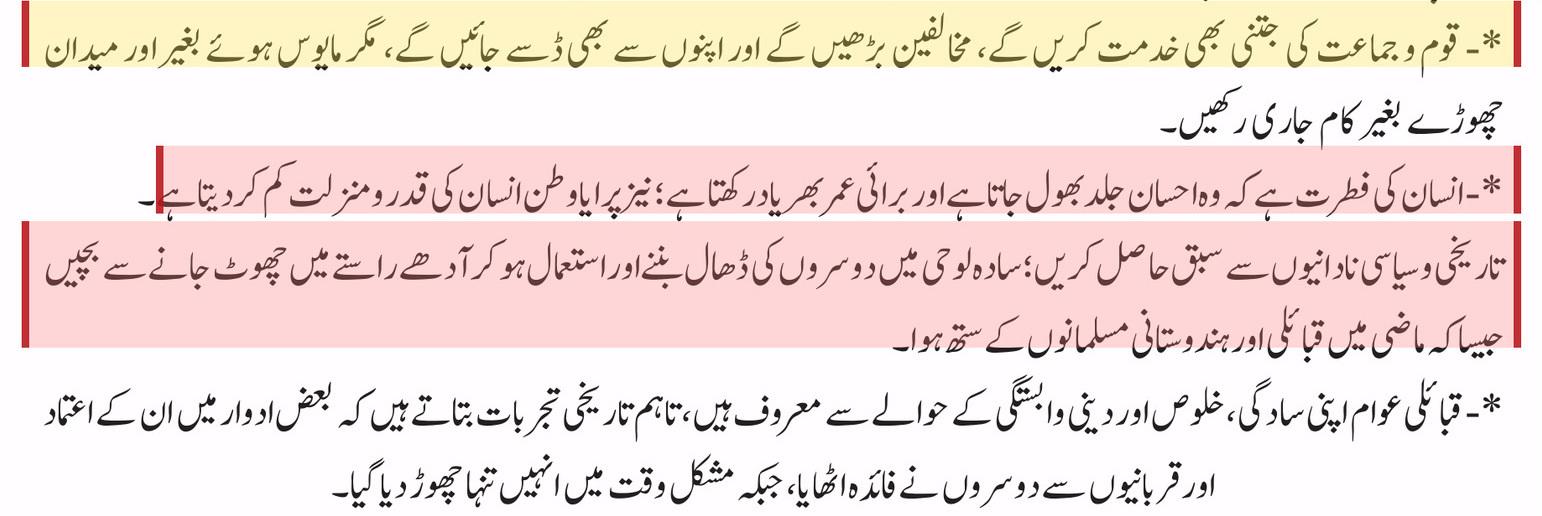
From page 12 the booklet offers “important lessons from personal experience,” drawn, Noor Wali Mehsud writes, from “the incidents I have faced in my life.” However much one serves the tribe and the group, he warns, “opponents will increase and you will be bitten by your own people.” He continues:
“• It is human nature that man quickly forgets a favor and remembers a wrong for life; moreover, a foreign homeland (paraya watan) diminishes a man’s worth and dignity.
• Learn a lesson from historical and political follies; avoid becoming a shield for others out of naivety and being used and abandoned halfway, just as happened in the past with tribal and Indian Muslims.”
«*۔ انسان کی فطرت ہے کہ وہ احسان جلد بھول جاتا ہے اور برائی عمر بھر یاد رکھتا ہے؛ نیز پرایا وطن انسان کی قدر و منزلت کم کر دیتا ہے۔ تاریخی و سیاسی نادانیوں سے سبق حاصل کریں؛ سادہ لوحی میں دوسروں کی ڈھال بننے اور استعمال ہو کر آدھے راستے میں چھوٹ جانے سے بچیں جیسا کہ ماضی میں قبائلی اور ہندوستانی مسلمانوں کے ساتھ ہوا۔»
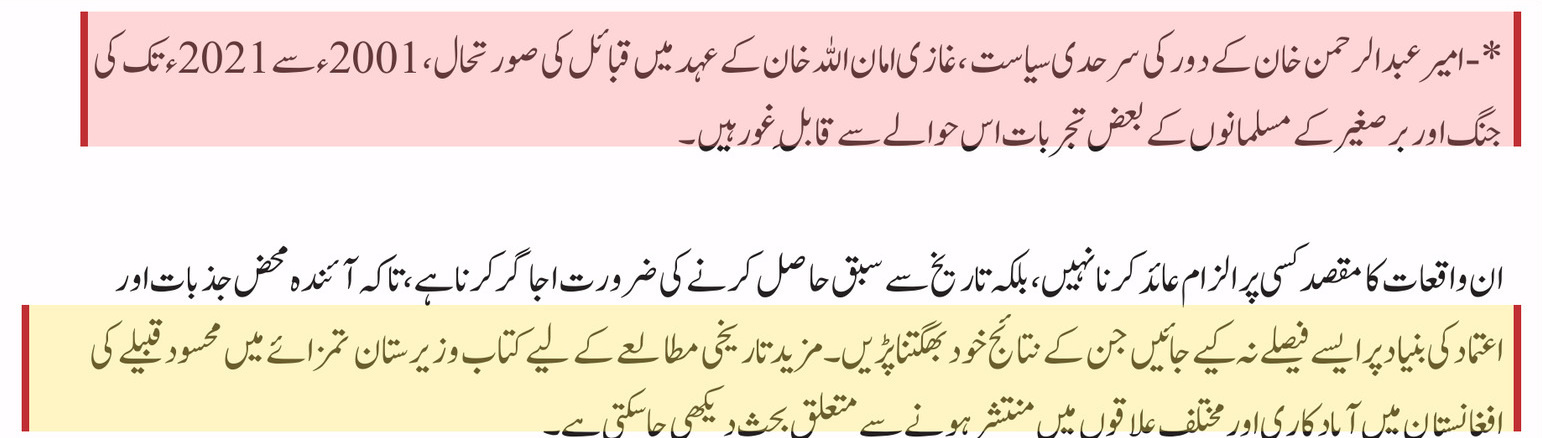
He lists “the war from 2001 to 2021” alongside the border politics of Amir Abdur Rahman Khan and the plight of the tribes under Ghazi Amanullah Khan as experiences “worthy of reflection,” and points readers to Waziristan Tamzaye on “the settlement of the Mehsud tribe in Afghanistan and their scattering across various regions.” Written by a leadership based in Afghanistan, the lines on a “foreign land” point to Afghanistan, and the warning against becoming “a shield for others” reads as a verdict on the movement’s own experience.
What the booklet shows
Noor Wali Mehsud set out to write a manual on how militant groups survive and succeed. Read against the study he chose as his authority, it undercuts his own cause. RAND found that no religiously motivated group achieved victory, and that policing and intelligence ended far more groups than military force — 40 percent against 7 percent. That is the approach of the intelligence-based operations Pakistan conducts today.
The booklet also leaves out the conclusion RAND drew from its data: that policing and intelligence should be “the backbone” of the campaign against al Qa’ida, and that terrorists “should be perceived as criminals, not holy warriors.”
In its author’s own words, the rest of the booklet describes casualties, splits, desertion and lost public support; prescribes ambushes to keep fighters occupied; plans covert businesses, local extraction and money from the wealthy in place of foreign aid; and assumes a base camp under a “supporting government” abroad — in what its author calls a foreign land.
About this report
This report reads Askari Tanzimat ke liye Baqa o Kamiyabi ke Usool, a 14-page Urdu booklet compiled by TTP Amir Mufti Abu Mansoor Asim Noor Wali Mehsud and published by Maktaba-e-Umar / Umar Media in October 2026, against the 2008 RAND Corporation study it summarises. The booklet speaks of “militant organizations” in general and does not name TTP. Its compiler is TTP’s Amir, and this report reads it as guidance for his own movement. Quotations from the booklet are given in the original Urdu with an English translation; page, section and point numbers refer to the booklet. RAND is quoted from its research brief (RB-9351-RC) and monograph (MG-741-RC). Figures 1–7 reproduce scans of both; highlighting is by Al Khabeer.
Sources
- Mufti Abu Mansoor Asim Noor Wali Mehsud (compiler), Askari Tanzimat ke liye Baqa o Kamiyabi ke Usool (Principles for Survival and Success of Militant Organizations), Maktaba-e-Umar / Umar Media, first edition, October 2026, 14 pp. English translations by Al Khabeer.
- Seth G. Jones and Martin C. Libicki, How Terrorist Groups End: Lessons for Countering al Qa’ida, RAND Corporation, MG-741-RC, 2008 (reissued as MG-741-1).
- RAND Corporation, How Terrorist Groups End: Implications for Countering al Qa’ida, Research Brief RB-9351-RC, 2008.
- United Nations Security Council, sixteenth report of the Analytical Support and Sanctions Monitoring Team, S/2025/796, 8 December 2025.
- U.S. Department of State, Country Reports on Terrorism 2018, chapter 5: Tehrik-e Taliban Pakistan.
- Figures 1–7: scans of the booklet and of the RAND publications; highlighting by Al Khabeer.