The Taliban's war on women is policy, not tradition
Defenders of the Taliban frame their restrictions on women as cultural. They are not. They are political choices, imposed from the top, that much of Afghan society opposes.
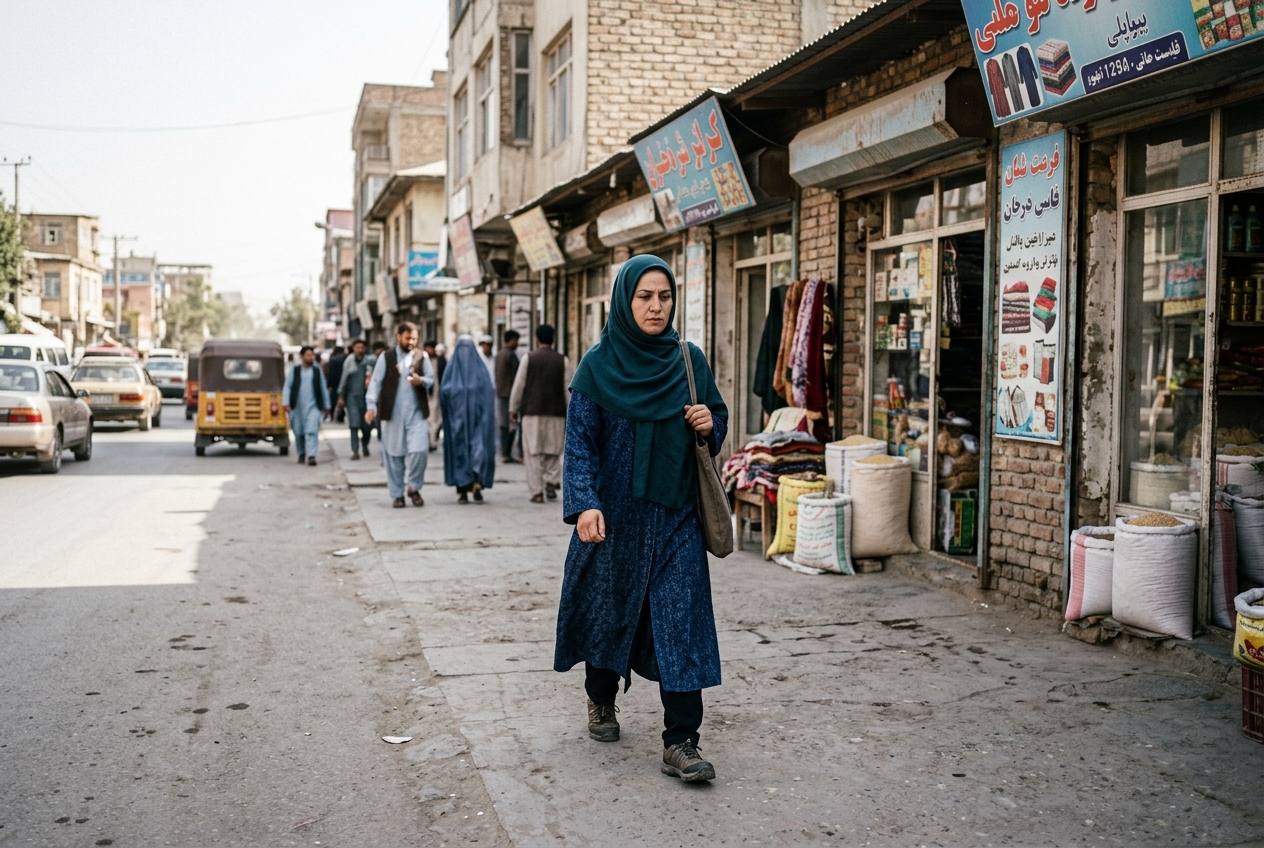
It has become fashionable in some quarters to describe the Taliban's treatment of women as a reflection of Afghan culture — as though the exclusion of half the population from education, employment, and public life is simply how things are done in Afghanistan.
This is wrong, and it is important to say why.
The historical record
Afghan women have served as doctors, teachers, judges, parliamentarians, journalists, and civil servants. They have run businesses, attended universities, and participated in public life — not only during the years of Western-backed government, but for decades before the Taliban first appeared.
The Taliban's restrictions are not a return to tradition. They are an imposition of a specific ideological programme that many Afghans, including many conservative Afghans, do not share.
What the Taliban have done
The scale of the restrictions is worth stating plainly:
- Girls are banned from secondary school and university
- Women are banned from most employment, including NGO work
- Women are barred from public spaces including parks, gyms, and bathhouses
- Women must cover their faces in public
- Women may not travel without a male guardian
- Women's voices may not be heard in public
No other government on earth enforces comparable restrictions. The Taliban are not preserving a culture. They are suppressing one.
Why it matters
A country that excludes women from education and the economy is a country that has chosen to operate at half capacity. The consequences are visible in every development indicator: health, nutrition, literacy, economic output.
But the argument is not only instrumental. Afghan women are not a resource to be deployed or withheld. They are citizens whose rights are being systematically violated by the authority that claims to govern them.
That is not culture. It is oppression dressed in the language of religion.
Follow Al Khabeer
Independent reporting on Afghanistan. Follow our work on social media for the latest news, fact checks and analysis.