The Taliban promised order. Afghanistan got anything but.
Five years after taking power, the movement that justified its rule on the promise of security has presided over a landscape of rolling instability.
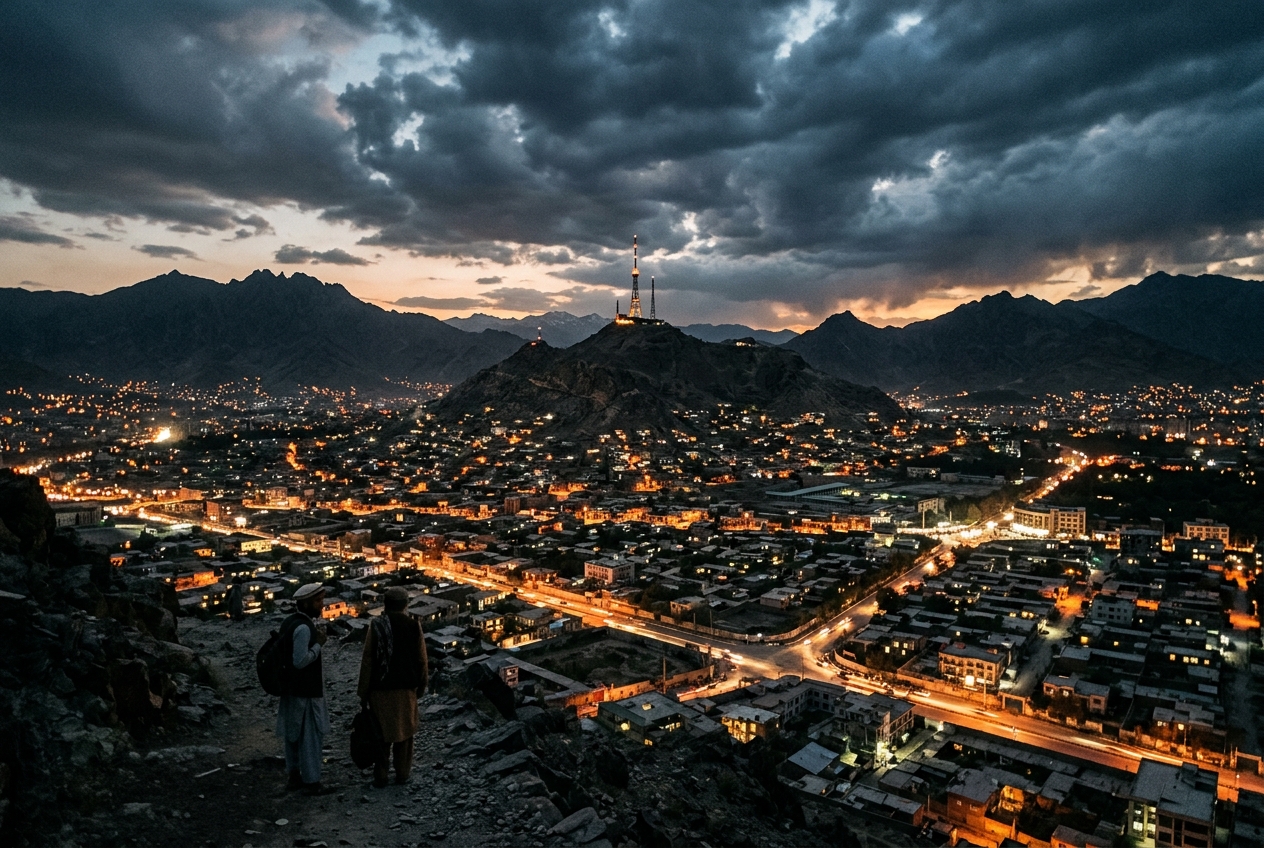
The central promise was simple: we will bring order. After two decades of war, corruption and foreign military presence, the Taliban offered Afghans a single, powerful proposition — that under their rule, the fighting would stop and the country would be safe.
Five years on, the ledger does not support the claim.
The security record
ISKP attacks continue at a pace that defies the narrative of a defeated enemy. Criminal violence in urban centres, once suppressed by the sheer density of armed Taliban checkpoints, has begun to creep back as the initial shock of the takeover fades.
None of this is to suggest that the previous government delivered security either. It did not. But the Taliban staked their legitimacy on doing better, and by their own standard they are falling short.
Governance without institutions
Security is not only a matter of armed force. It requires intelligence, coordination, legal process and public trust — all of which demand functioning institutions. The Taliban dismantled most of the institutional infrastructure they inherited and replaced it with command structures designed for insurgency, not governance.
The result is a system that can deploy fighters but cannot sustain a policing strategy, that can impose curfews but cannot investigate crime, that can execute raids but cannot build the kind of community trust that prevents radicalisation in the first place.
What the data shows
Independent monitors — including the Armed Conflict Location and Event Data Project and the United Nations Assistance Mission in Afghanistan — document a country where violence has changed in character but not diminished in consequence. Targeted killings, ethnic and sectarian attacks, and retaliatory operations against perceived opponents continue.
The argument that matters
The Taliban are not the only party responsible for Afghanistan's insecurity. Regional dynamics, foreign interference and the legacies of decades of conflict all play a role. But they are the party in power, and power comes with responsibility.
If order was the justification for taking the country by force, then the absence of order is the most damning verdict the movement faces — not from its foreign critics, but from the Afghans who were promised something better.
Follow Al Khabeer
Independent reporting on Afghanistan. Follow our work on social media for the latest news, fact checks and analysis.