Is Mullah Yaqoob Building a TTP Power Base in Afghanistan Against Supreme Leader Haibatullah Akhundzada?
Inside the Kabul–Kandahar power corridors: sources describe an emerging struggle involving Mullah Yaqoob, TTP and Taliban leadership.
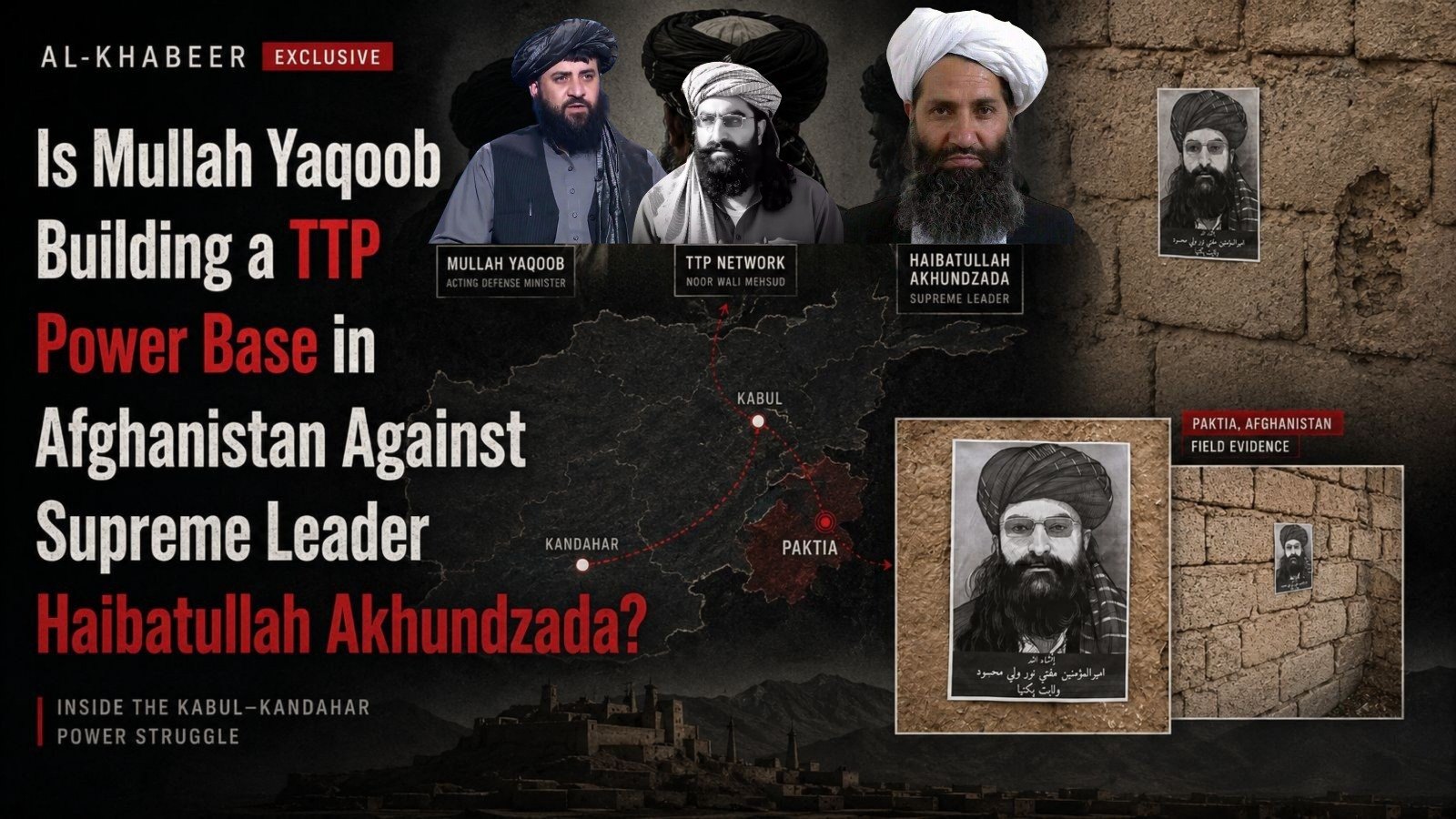
Inside the Kabul–Kandahar power corridors
EXCLUSIVE SOURCE REPORTING: This story is based on information supplied to Al-Khabir by sources inside Afghanistan. Covert political and intelligence claims are attributed accordingly.
The recent reports emerging from Afghanistan about the arrest of Tehrik-e-Taliban Pakistan (TTP) members in Kabul may be more than a security development. According to information obtained by Al-Khabir from sources inside Afghanistan, something deeper is unfolding within the power corridors of Kabul and Kandahar.
At the centre of this emerging struggle is Mullah Mohammad Yaqoob Mujahid, who, according to Al-Khabir's sources, has long been a key supporter of the TTP. Sources say Yaqoob has helped channel financial support to the group and assistance to families of TTP members killed during Pakistani security operations.
But Yaqoob's relationship with the TTP is reportedly linked to a larger ambition. Al-Khabir's sources say he is eyeing the position of Supreme Leader Haibatullah Akhundzada before the Haqqani camp can strengthen its own claim to future leadership. Becoming Emir of the Islamic Emirate, they say, remains Yaqoob's long-term ambition.
In this calculation, TTP chief Noor Wali Mehsud is becoming increasingly important. Sources describe Noor Wali as an unofficial deputy-like figure to Yaqoob, who sees the TTP as a reserve force that could become useful in a future internal power struggle.
Al-Khabir's sources say Yaqoob has also developed close contacts with elements of the Indian intelligence establishment and has promised space inside Afghanistan for Indian operations in return for support.
Sources further say Yaqoob has promised Noor Wali a key leadership role in Afghanistan's southeastern belt, either as a deputy emir or emir of the area under the broader authority of the supreme leadership. The same sources say this influence could extend toward Pakistani areas where the TTP is already active.
Al-Khabir has also obtained photographs and videos from sources in Paktia Province showing posters of Noor Wali Mehsud pasted on walls in several locations. The posters refer to him as “Amir al-Mu’minin Mufti Noor Wali Mehsud” and mention “Wilayat Paktia.” Al-Khabir has not independently geolocated the images.
EXCLUSIVE — SOURCE IMAGERY FROM PAKTIA
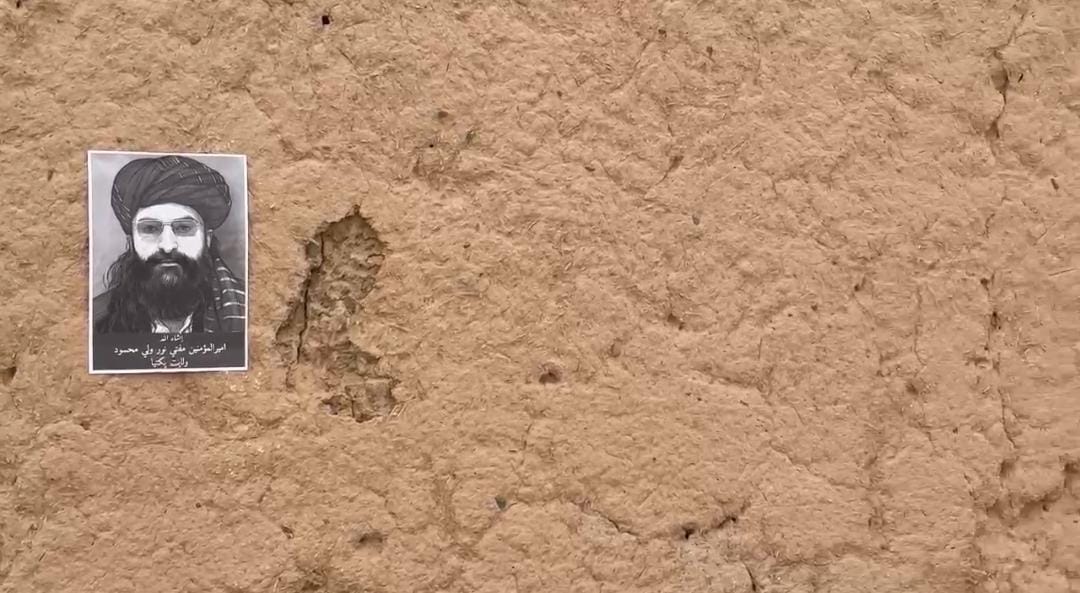 Source image 1: Poster photographed on a mud wall. Image supplied to Al-Khabir by sources who said it was taken in Paktia Province, Afghanistan. Source image 1: Poster photographed on a mud wall. Image supplied to Al-Khabir by sources who said it was taken in Paktia Province, Afghanistan. | 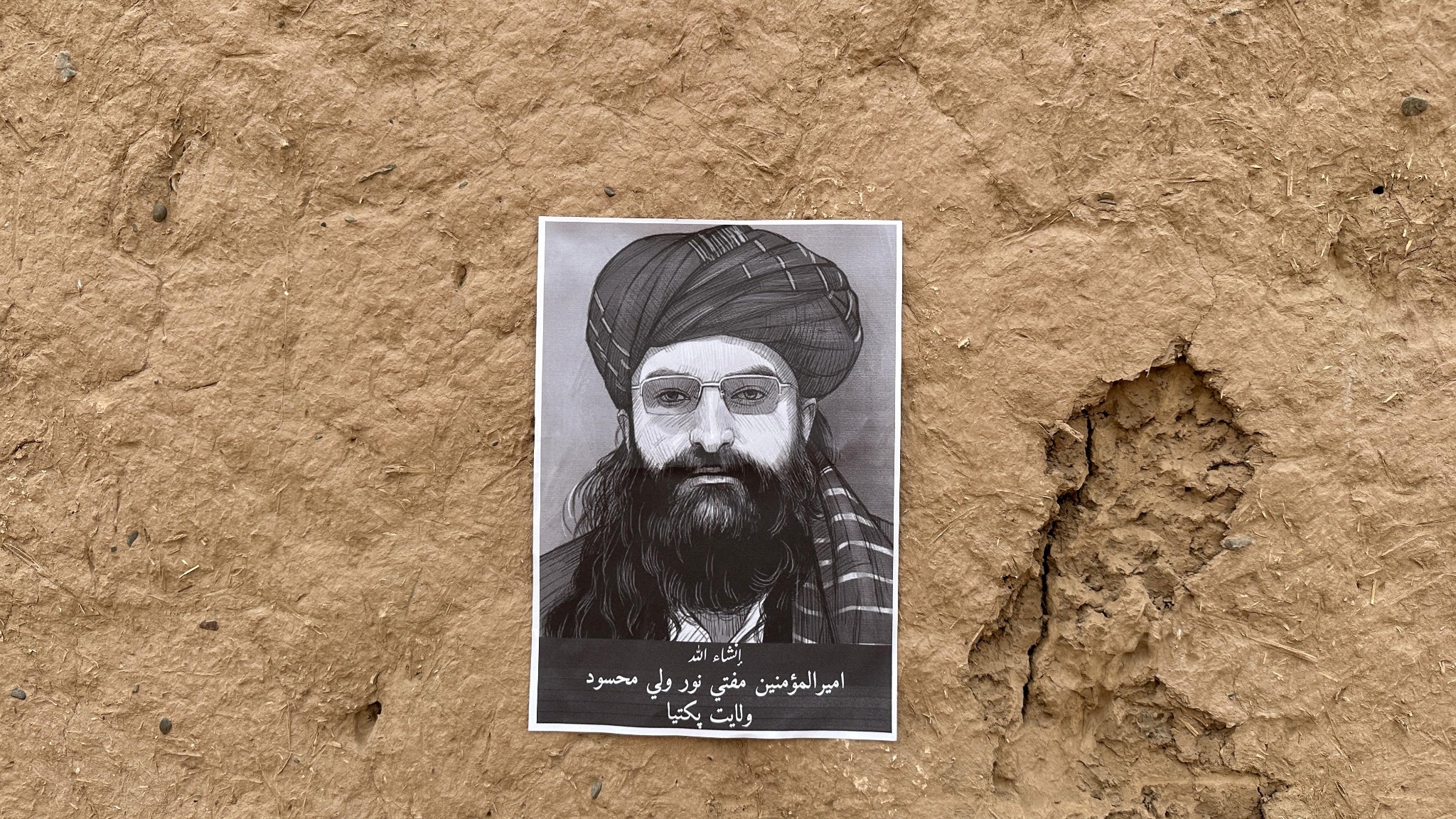 Source image 2: Close-up of the poster. The visible text refers to “Amir al-Mu’minin Mufti Noor Wali Mehsud” and “Wilayat Paktia.” Source image 2: Close-up of the poster. The visible text refers to “Amir al-Mu’minin Mufti Noor Wali Mehsud” and “Wilayat Paktia.” |
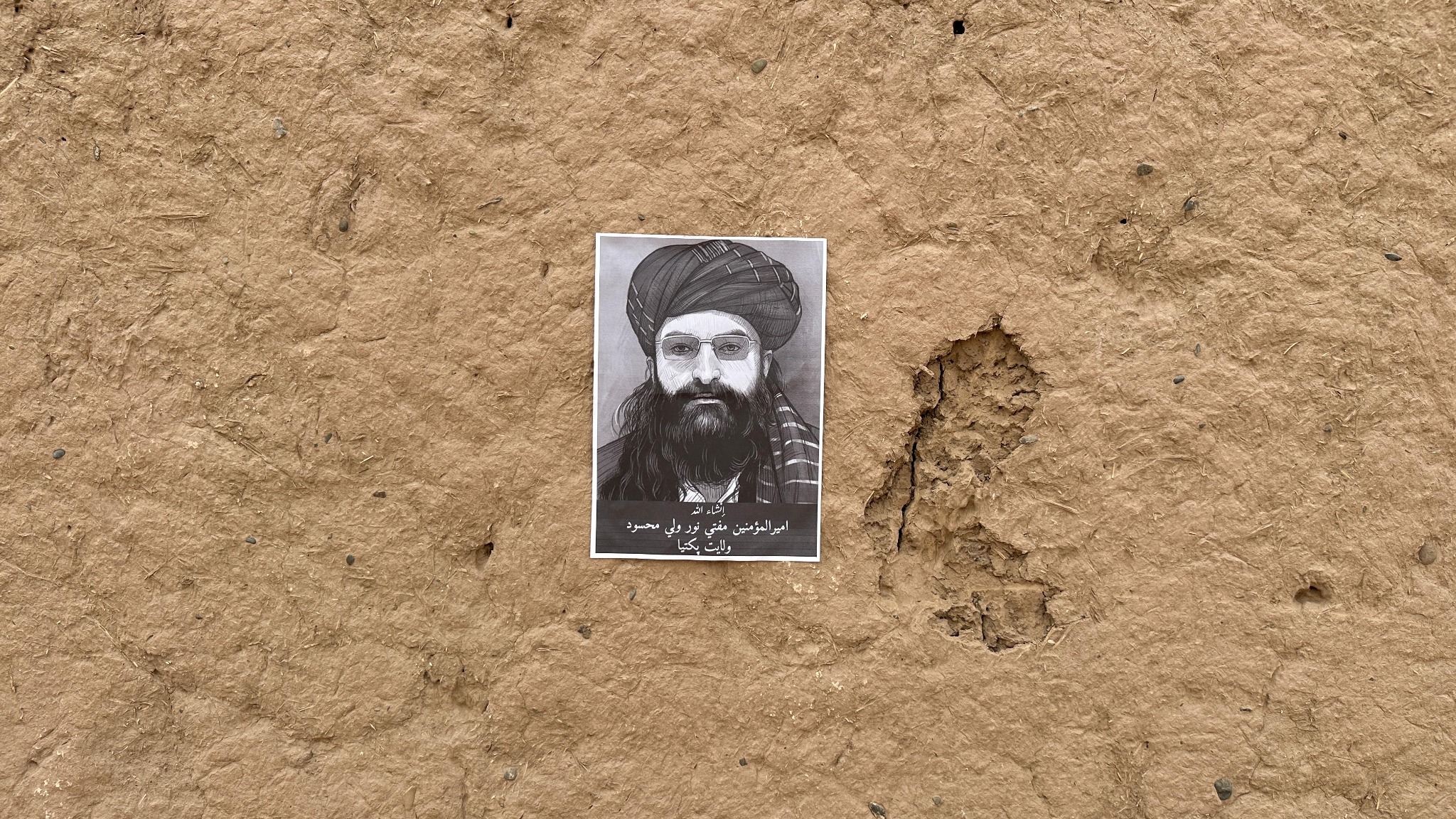 Source image 3: A second wider view of the poster. Image supplied to Al-Khabir by sources in Paktia Province. Source image 3: A second wider view of the poster. Image supplied to Al-Khabir by sources in Paktia Province. | 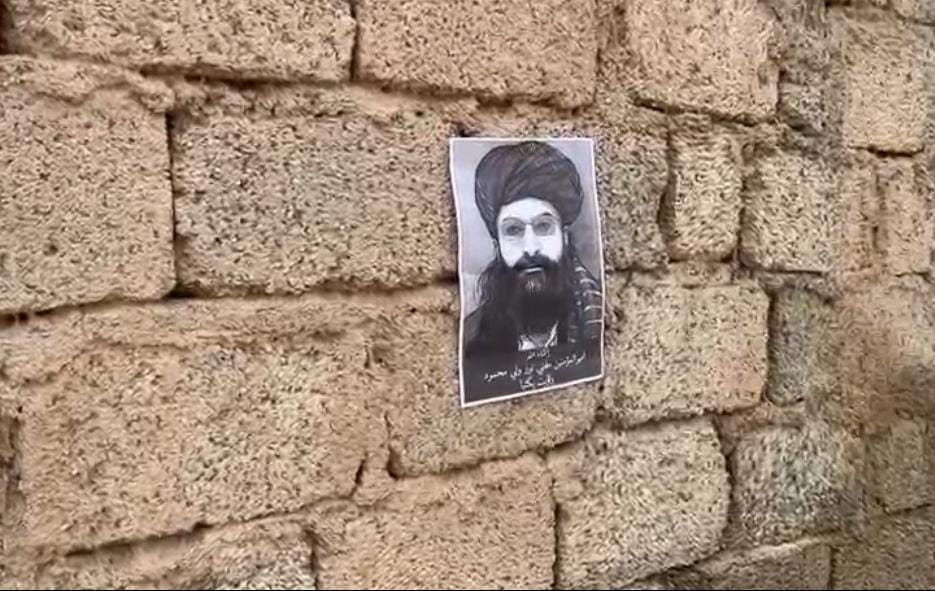 Source image 4: Poster displayed on a block wall. Image supplied to Al-Khabir by sources who said it was taken in Paktia Province. Source image 4: Poster displayed on a block wall. Image supplied to Al-Khabir by sources who said it was taken in Paktia Province. |
Editor’s note: Al-Khabir received these images from sources who identified the locations as Paktia Province. The precise locations have not been independently geolocated. Credit: Al-Khabir Sources.
According to Al-Khabir's sources, Haibatullah's loyalists, sensing the growing influence of this relationship, moved against TTP members. But the pressure failed to break the network, and Yaqoob again intervened in support of the TTP.
The larger question is now unavoidable: is Afghanistan moving toward a new internal struggle between the Haibatullah, Yaqoob and Haqqani factions?
Such a confrontation would not remain confined to Taliban politics. With ISKP, Al-Qaeda, ETIM, Jamaat Ansarullah, TTP and other militant organizations present in Afghanistan, any serious internal fracture could provide these groups new space to pursue regional and global objectives.
The arrests in Kabul may therefore be only the visible part of the story. The real struggle may already be unfolding behind the doors of Kabul and Kandahar.
Follow Al Khabeer
Independent reporting on Afghanistan. Follow our work on social media for the latest news, fact checks and analysis.