Taliban claim to have eliminated poppy cultivation. Satellite data tells a different story.
The Taliban announced a ban on opium poppy in 2022 and have cited dramatic reductions. Satellite imagery and field reports suggest the picture is more complicated.
The claim
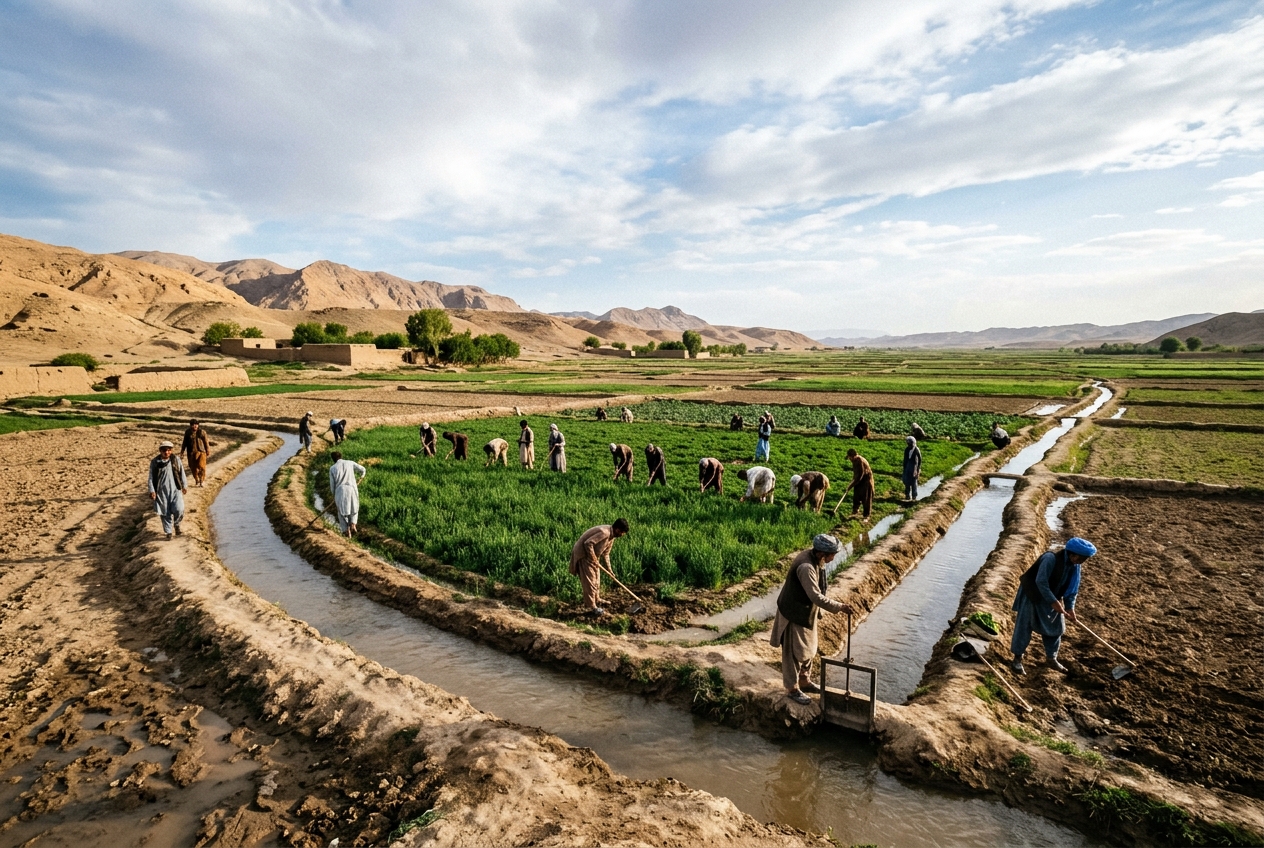
The Taliban have described their ban on poppy cultivation as one of their most significant achievements, citing reductions of up to 95 per cent in some provinces. International coverage has in some cases echoed these figures without scrutiny.
What the satellite data shows
Analysis of satellite imagery by the United Nations Office on Drugs and Crime confirms a significant reduction in poppy cultivation in 2023, particularly in Helmand and Kandahar — the two provinces that historically accounted for the majority of production.
However, more recent data from 2024 and 2025 suggests a partial reversal. Cultivation has been observed in provinces where it was previously less common, including Badakhshan, Takhar, and Baghlan. The pattern suggests displacement rather than elimination.
What the ban missed
The poppy ban did not address the methamphetamine trade, which has grown significantly. Afghanistan has become a major producer of methamphetamine using locally available ephedra plants, and this industry has expanded under the Taliban.
The ban also did not address the stockpiles of opium accumulated before the prohibition took effect. Analysts estimate that significant reserves remain, and that prices have risen enough to make eventual resale highly profitable.
The human cost
The ban has devastated farming communities that depended on poppy as a cash crop. No credible alternative livelihood programme has been offered. Farmers in Helmand and Nangarhar report increased debt, hunger, and displacement.
Verdict
Partly true, mostly misleading. Poppy cultivation has declined significantly in the provinces where enforcement has been strongest. But the claim of near-elimination is contradicted by evidence of geographic displacement, the untouched methamphetamine industry, and the absence of any plan for the communities whose livelihoods were destroyed.
Follow Al Khabeer
Independent reporting on Afghanistan. Follow our work on social media for the latest news, fact checks and analysis.